1. Why the best hotel restaurants in Denmark now drive the booking decision
For many executive travelers, the best hotel restaurants in Denmark now decide where they sleep. The country’s gastronomy has moved so far, so fast, that a single restaurant can outweigh meeting room layouts, spa menus or even loyalty points when choosing where to stay. In Copenhagen and across Denmark, the hotel dining scene has become a strategic asset, not a side note.
Denmark’s parliament is currently exploring whether gastronomy can be legally recognized as an art form, potentially making chefs eligible for state subsidies, and that debate captures how seriously the nation treats food. When a country frames cuisine as culture on par with opera or design, the best restaurants inside hotels inevitably become stages where this ambition plays out in real time. For business leisure guests, that means a stay where every plate, from breakfast cakes to late night oysters, is part of a curated cultural program rather than a generic amenity.
Across Copenhagen Denmark and the wider regions, hotel restaurants Denmark wide now compete directly with independent Michelin restaurants for both local and international diners. There are 29 Michelin stars across 19 Copenhagen restaurants and 101 Michelin recommended establishments across Denmark, and that density of excellence shapes expectations for every Denmark restaurant inside a hotel. When you book table options at the best hotel restaurants in Denmark today, you are entering the same food scene that produced Noma, Alchemist and Kadeau, not a parallel, watered down version.
2. Copenhagen’s hotel dining scene: where rooms orbit the restaurant
Copenhagen food culture has become shorthand for progressive cuisine, and its hotel dining scene reflects that confidence. At Hotel d’Angleterre, Marchal is a Michelin star restaurant where polished service and precise Danish cuisine make the dining room feel like the true lobby, with the rest of the hotel orbiting around it. When you evaluate the best hotel restaurants in Denmark, Marchal consistently ranks as one of the best Copenhagen options for travelers who want classic luxury with a contemporary food scene edge.
On the opposite side of town, SUKAIBA Copenhagen crowns AC Hotel Bella Sky with panoramic views and a menu that leans into Asian inflections while staying rooted in Nordic produce. Awarded Denmark’s best hotel restaurant 2023, SUKAIBA shows how a hotel restaurant can become a destination for Copenhagen food lovers who might never stay the night but will cross the city to eat there. For business travelers, that means you can host clients in a restaurant that locals respect, then retreat to your room without ever leaving the property.
The city’s status as host of the Nordic Michelin ceremony at Tivoli has only sharpened this focus on hotel based fine dining. If you want a deeper read on how this affects the capital’s gastronomy, explore our analysis of the Copenhagen dining awards landscape and what it signals for future food trends. In this context, the best restaurant choices inside hotels are no longer safe, middle of the road options but active participants in a competitive Michelin restaurants ecosystem that includes Noma alumni, experimental tasting menus and a thriving street food and food hall culture.
3. Breakfast as a serious meal: the Danish hotel morning ritual
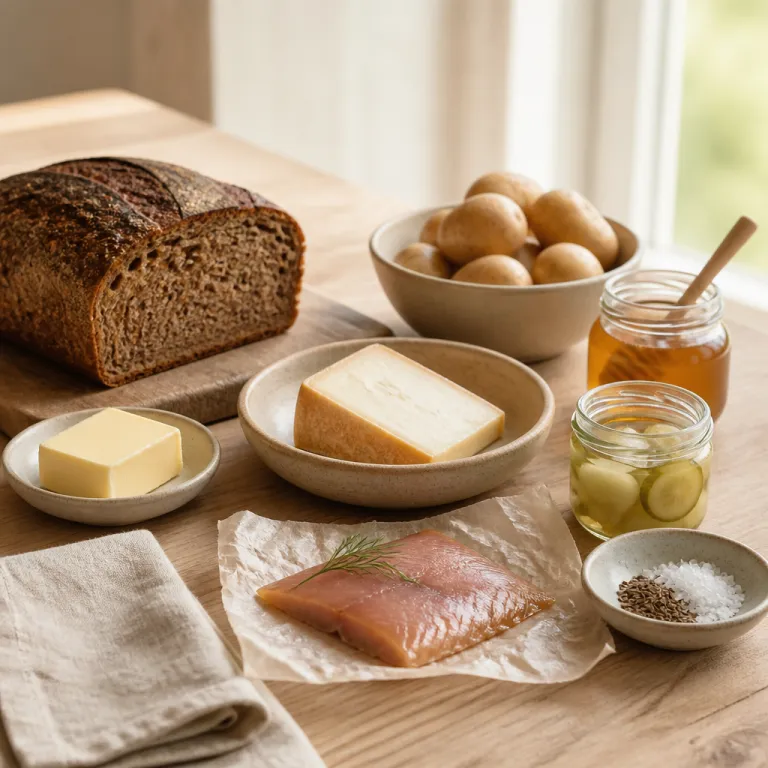
In Denmark, the breakfast table inside a hotel is not a perfunctory buffet but a daily ritual that quietly defines the stay. The best hotel restaurants in Denmark treat the morning service as a showcase for Danish baking, dairy and coffee culture, with rye breads, cultured butter, seasonal jams and small cakes that feel closer to a patisserie counter than a corporate spread. For business leisure travelers, this means the first meeting of the day often happens over a plate that reflects the same care as dinner in a fine dining room.
Many of the best restaurants inside hotels now serve breakfast in spaces that double as evening dining rooms, blurring the line between casual and elevated dining. You might eat soft boiled eggs, local cheeses and smoked fish beneath the same lighting installation that frames a tasting menu later that night, and that continuity reinforces the sense that food is central to the property’s identity. Our in depth feature on how Danish hotels design for the breakfast table shows how architects now plan circulation, acoustics and seating around this meal rather than the check in desk.
For travelers comparing restaurants Denmark wide, this breakfast culture becomes a quiet but decisive metric when choosing where to book table and room together. A hotel housed in a historic building on a Copenhagen side street might not chase Michelin stars at night, yet still rank among the best places to stay because its morning spread rivals the city’s cafés. In a country where coffee is taken seriously and where even street food vendors care about provenance, the breakfast table is often where you first feel the depth of the national food scene.
4. Beyond Copenhagen: castles, kro stays and coastal kitchens worth the journey
While Copenhagen Denmark dominates international headlines, some of the best hotel restaurants in Denmark sit far from the capital’s conference rooms. Dragsholm Slot Gourmet, set inside a fortified historic building in Odsherred, pairs a Michelin star kitchen with a landscape of fields and coastline that directly feeds the menu. Staying here means your room, your walk through the gardens and your dinner in the vaulted dining room all orbit a single idea of terroir driven Danish cuisine.
Further south, Dyvig Badehotel on Als Fjord offers a different expression of luxury, where the restaurant’s focus on seafood and seasonal produce turns the water outside your window into a live pantry. Guests often arrive for board meetings or strategy sessions and then extend their stay simply to eat another course of oysters, local fish and delicate cakes in the evening. In these properties, the best restaurant on site is not a convenience but the narrative thread that ties together architecture, landscape and service.
Traditional Danish kro inns, such as Falsled Kro on Funen, show how heritage properties can feel as relevant to the future food conversation as any urban tasting menu. Elisabeth Madsen at Falsled Kro has been recognized as Falstaff Rising Star Kitchen, bringing a contemporary touch to a classical kitchen that leans heavily on seasonal, local produce. For travelers used to the intensity of the Copenhagen food scene, a night at a kro with a serious cellar, thoughtful coffee service and a breakfast table overlooking fields can feel like the most luxurious reset in restaurants Denmark wide.
5. Strategy for business leisure travelers: how to book around the plate
For executives extending a work trip, the smartest way to approach the best hotel restaurants in Denmark is to plan the restaurant first and the room second. Start by mapping your meetings, then identify which Denmark restaurant options within walking distance or a short metro ride offer the level of dining you want, from Michelin stars to ambitious brasserie style rooms. Once you have a shortlist of best restaurants that align with your schedule, choose the hotel where you can both sleep and eat well without wasting time in transit.
In Copenhagen, that might mean choosing a property with a strong in house restaurant for the night you arrive late, then booking tables at independent Michelin restaurants or Noma adjacent venues on evenings when you can cross town. Remember that 1.2 million tourists visit Denmark for gastronomy according to the Danish Tourism Board, so you should book table reservations as early as possible, especially at the best hotel restaurants in Denmark that also attract locals. For more cross border inspiration, our guide to premium health and hotel experiences for Danish travelers shows how the same strategy applies when food is the anchor for international trips.
Within the city, food halls and street food markets such as Reffen or Torvehallerne complement hotel dining rather than compete with it, giving you casual options between more formal meals. Use them to gauge the broader food scene, then return to your hotel restaurant to see how a top kitchen interprets the same ingredients in a fine dining context. When you balance street food lunches, coffee breaks in design forward cafés and dinners in the best restaurant attached to your hotel, you experience Copenhagen food culture as locals do, not as a series of isolated tasting menus.
6. Gastronomy as art: how future food will reshape Danish hotel kitchens
The political conversation about recognizing gastronomy as an art form in Denmark will have direct consequences for the best hotel restaurants in Denmark. If chefs and restaurants gain access to cultural funding, hotel kitchens could experiment more boldly with formats that blur theatre, science and social commentary, following the path set by Rasmus Munk at Alchemist, who has been named Falstaff Chef of the Year Denmark. In that scenario, the line between a hotel stay and a curated cultural residency becomes thinner, especially in properties willing to give their culinary teams real creative autonomy.
We already see early signals in places like 1 Hotel Copenhagen, where Fjora, led by Green Michelin starred chef Chantelle Nicholson, builds its identity around seasonality, low waste and local sourcing. Here, future food is not a gimmick but a framework that shapes everything from how oysters are sourced to how coffee grounds are reused, and that ethos filters into room service and breakfast as much as the main dining room. Kadeau Copenhagen, recognized for service excellence, shows how a restaurant can turn hospitality into a form of performance, and hotel restaurants Denmark wide are watching closely.
As more properties chase Michelin stars or collaborate with chefs from the Noma network, expect the best Copenhagen hotel restaurants to function as laboratories for ideas that later filter into cafés, food halls and even street food stalls. For travelers, this means that booking a room in a hotel with a serious kitchen becomes a way to read where Danish cuisine is heading next, not just where it stands today. In a country where “What is New Nordic cuisine?” is answered simply as “A culinary movement emphasizing local, seasonal ingredients.”, the hotel restaurant is increasingly where that definition is tested, stretched and reimagined night after night.
Key figures shaping Denmark’s hotel dining landscape
- There are 28 Michelin starred restaurants across Denmark according to the Michelin Guide, and this concentration of excellence raises expectations for every serious hotel restaurant in the country.
- Copenhagen alone holds 29 Michelin stars across 19 restaurants, which means many hotel guests can reach multiple Michelin restaurants within a short taxi or metro ride from their lobby.
- Denmark welcomes around 1.2 million tourists who visit primarily for gastronomy, a scale of demand that encourages hotels to invest heavily in their in house restaurants and breakfast offerings.
- 101 Michelin recommended establishments across Denmark create a competitive environment where even regional kro inns and coastal hotels must refine their cuisine to attract discerning travelers.
- Recent awards naming SUKAIBA Copenhagen as Denmark’s best hotel restaurant and recognizing Marchal, Dragsholm Slot Gourmet and Falsled Kro signal that hotel based dining now competes directly with standalone venues for national attention.
FAQ about Denmark’s best hotel dining experiences
What defines the best hotel restaurants in Denmark for business leisure travelers ?
The most compelling hotel restaurants combine precise Danish cuisine, strong coffee and breakfast culture, and service that works for both solo executives and client dinners. They sit within properties where the dining room is central to the hotel’s identity, not an outsourced concession. Proximity to the wider Copenhagen food scene or notable regional producers is also a key factor.
How far in advance should I book a table at top Danish hotel restaurants ?
For Michelin restaurants or highly awarded hotel venues in Copenhagen, aim to book table reservations several weeks ahead, especially for Thursday and Friday nights. Regional properties such as Falsled Kro or Dragsholm Slot Gourmet can also fill quickly on weekends and during holiday periods. Same day reservations are sometimes possible midweek, but flexibility on time is essential.
Are Denmark’s hotel restaurants suitable for vegetarian or plant forward diners ?
Most of the best hotel restaurants in Denmark, especially those influenced by New Nordic cuisine, offer thoughtful vegetarian or plant based menus. Kitchens that focus on seasonality and local produce often treat vegetables as the main event rather than a side. It is still wise to mention dietary preferences when booking so the team can plan accordingly.
How do hotel breakfasts in Denmark differ from standard international buffets ?
Danish hotel breakfasts emphasize quality over volume, with excellent breads, dairy, charcuterie and small cakes replacing industrial pastries and generic cereals. Coffee is brewed with care, and many properties highlight regional specialties such as smoked fish or local honey. The atmosphere is calmer and more design conscious, encouraging guests to linger rather than rush.
Is it better to focus on Copenhagen or explore regional hotel dining as well ?
Copenhagen offers the densest cluster of Michelin restaurants and cutting edge food halls, making it ideal for short, intense trips. However, regional stays at places like Dyvig Badehotel, Dragsholm Slot or Falsled Kro provide a different kind of luxury, where landscape and cuisine are inseparable. The strongest itineraries combine both, starting with the capital’s energy and ending with a slower, countryside meal that justifies one last night away.