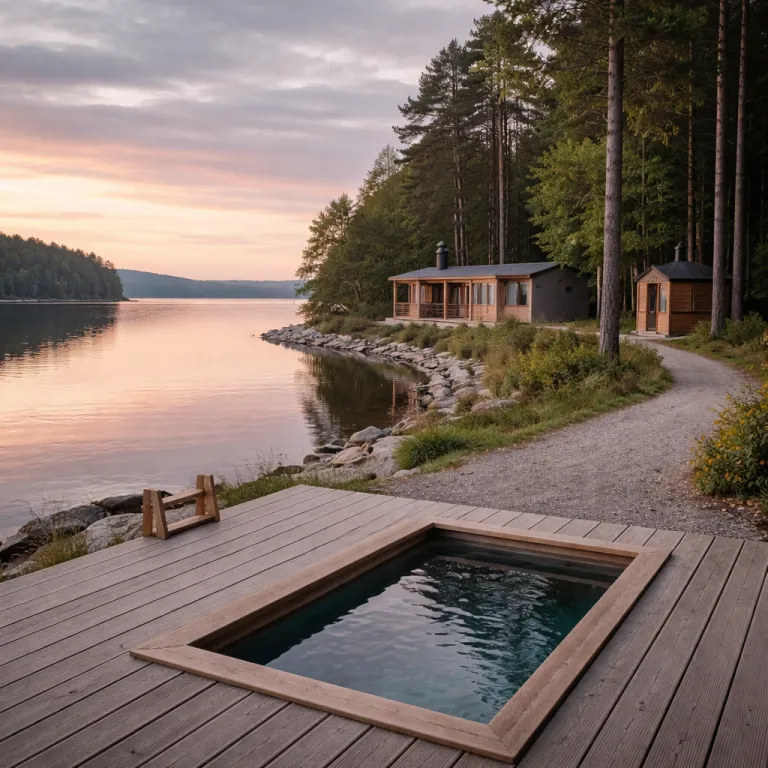
What Danish wellness really feels like in everyday hotel life
Danish wellness in luxury hotels is calm, precise, and quietly attentive. In the best wellness-focused hotels Denmark offers, you notice it in the way staff time your sauna session, the way a hot tub is positioned to frame the sea rather than the selfie. A serious spa or several spa hotels in Denmark will almost always prioritise natural light, silence, and uncluttered spaces over theatrical décor and loud music.
Families booking premium accommodation quickly see that wellbeing here is woven into daily routine, not reserved for a single grand spa experience. Saunas, cold showers, forest paths, and simple but generous breakfast tables turn a short stay into a repeatable wellness ritual that fits real life. When you compare descriptions of any hotel claiming a wellness spa, focus on how they describe daily rhythms and guest flow, not just a long list of spa facilities and treatments.
In Copenhagen and across Denmark, the most convincing spa hotels integrate nature, movement, and mental quiet rather than only massages. A strong spa wellness concept will combine a well run spa with access to outdoor air, daylight, and water, whether that is a city harbour or a woodland lake. This is where Danish wellness hotels stand apart from louder global trends that rely on incense, background playlists, and long menus of imported treatments instead of simple, repeatable practices.
Cold plunges and saunagus: vinterbadning for design conscious families
The Danish cold plunge tradition, vinterbadning, is the backbone of many serious spa experiences in Denmark. Luxury hotels and spa hotels now collaborate with specialists such as HICE, which offers saunagus sessions and guided cold plunges in nature, so guests can enjoy a structured wellness experience rather than an improvised dip. HICE, founded in 2019 and based around Copenhagen, reports fully booked saunagus events throughout the winter season on its own booking channels, which shows how mainstream this practice has become in Danish wellness culture.
Saunagus, a guided sauna ritual using essential oils and controlled heat, turns a standard spa into something more focused and communal. Typical sessions last 10–15 minutes per round, with a trained host circulating air using towels and monitoring guests. Local wellness providers such as HICE and Just Sauna, which publishes weekly schedules and safety guidelines on its website, regularly host group sessions with dozens of participants per week during peak spa season, which underlines how deeply this practice has entered everyday Danish wellness. When a hotel in Denmark advertises a wellness spa, it is worth checking whether saunagus is led by staff with recognised certifications from sauna associations or health bodies, or simply offered as an occasional add on in existing spa facilities.
For travellers used to Mediterranean style retreats such as the refined hotel spa experiences near Saint Tropez, described in guides to luxury wellness and Mediterranean elegance, the Danish approach will feel stripped back. Here, the focus is on contrast therapy, fresh air, and short, repeatable rituals that fit into a weekend stay. The best wellness hotels Denmark offers will provide safe access to cold water, clear guidance, and warm indoor facilities so families can enjoy the full cycle without stress, even on dark January afternoons, with water temperatures often close to freezing and saunas heated to around 80–90°C.
Forest bathing, real nature access, and the new rural spa hotels
Nature immersion is not a marketing flourish in Denmark; it is a core part of wellness hotels that take their role seriously. Organisations such as Need for Nature Psychotherapy run guided forest bathing sessions, and describe on their programme pages how slow walks and sensory awareness can be as powerful as any spa treatment. Need for Nature, founded by psychologist Helle Laursen and active in several Danish woodland areas, bases its programmes on research into nature based therapy and stress reduction rather than vague wellness promises, citing international studies on stress hormones and time in forests.
Forest bathing, a mindful walk rather than a hike, suits families because it is gentle, unhurried, and accessible to most ages. Experts in nature therapy consistently emphasise that forest bathing is suitable for children, adults, and older guests, provided routes are adapted to mobility levels. A typical guided session might last 60–90 minutes, with pauses for breathing exercises, quiet observation, and short moments of silence. This is why many rural spa hotels in Denmark now design experiences that combine short trails, simple breathing exercises, and quiet rest areas instead of only indoor spa facilities and treatment rooms.
Some of the most convincing wellness hotels Denmark offers are countryside properties that frame nature as the main amenity. When comparing them with international resorts that focus on indoor pools, such as those highlighted in guides to year round luxury with indoor swimming pools, the Danish difference is clear. Here, the real luxury is easy access to forest trails, lakes, and open skies, with the spa experience designed to support that outdoor rhythm rather than replace it with constant indoor entertainment.
Comwell, Kellers Park, and the quiet authority of serious spa facilities
Among wellness hotels Denmark, the Comwell group has become a reference point for families who take spa time seriously. At Comwell Kellers Park near Vejle Fjord, the historic setting and calm park landscape frame a spa wellness concept that feels grounded rather than flashy. The hotel, housed in restored 19th century buildings, offers indoor pools, a carefully placed hot tub, and a range of treatments that use both international techniques and subtle nods to Danish beauty traditions.
Comwell Borupgaard in North Zealand offers a different but equally focused wellness experience, with spa facilities that open towards gardens and woodland. The combination of suites for families, quiet relaxation rooms, and well timed sauna sessions makes it one of the spa hotels in Denmark that truly supports multi generational stays. In guest reviews on major booking platforms, visitors often mention the calm atmosphere, the garden views from the pools, and the feeling that staff manage capacity so spaces never feel crowded.
Kellers Park itself, with its lawns and water views, shows how architecture and landscape can work together in a wellness spa setting. Comwell Kellers uses this park to create small, repeatable experiences for guests, from short walks between treatments to quiet corners for reading. In both Comwell Borupgaard and the Kellers Park property, the emphasis is on reliable facilities, thoughtful staff, and a spa experience that feels like an extension of Danish everyday life rather than an escape from it, which is why many families return year after year.
Urban calm in Copenhagen: from historic hotels to ancient baths
Copenhagen offers a different expression of wellness hotels Denmark, where urban energy meets carefully curated calm. At Hotel Angleterre on Kongens Nytorv, wellness is woven into a classic luxury hotel structure, with suites designed for longer stays and families who value both culture and quiet. Guests can enjoy refined spa treatments, a discreet hot tub area, and easy access to the city’s parks and harbour baths, including popular winter bathing spots along the inner harbour.
The city has also embraced more atmospheric concepts such as Aire Ancient Baths, where ancient baths inspired rituals are translated into a Copenhagen setting. Here, the spa experience is about water temperature, shadow, and silence rather than bright daylight, which contrasts with many Nordic style spa hotels. During a recent winter visit, one mydenmarkstay.com contributor described spending almost an hour moving between the saltwater pool and the hottest bath, emerging into the cold evening air on Nyhavn feeling “reset, not just relaxed”.
Across the city, independent wellness spa operators and hotel spas compete not on size but on the quality of their experiences. Some partner with Danish beauty brands that have won international beauty awards, while others focus on a single amazing space such as a rooftop pool or harbour facing sauna. When planning a stay, use curated guides on mydenmarkstay.com, including features on elegant seasonal rentals and considered hotel choices, to find nuanced assessments of spa concepts, family policies, and real guest experiences.
How to read wellness claims and plan a Danish spa year
Evaluating wellness hotels Denmark requires a slightly different lens than assessing tropical or Alpine retreats. A genuine wellness spa will describe its spa facilities in practical terms, mentioning water temperature, opening hours, and staff training rather than only mood words. When you scan a hotel description, look for clear information about access to nature, daily sauna routines, and whether cold plunges, saunagus, or guided sessions are available as part of a structured programme.
Seasonality matters more than many visitors expect, and winter can be the most rewarding time for a Danish spa year. Short days make indoor light, warm pools, and quiet lounges feel more intense, while cold air sharpens the impact of saunagus and harbour dips. Local wellness centres such as Just Sauna, which combines Finnish sauna, cold plunges, and breathing exercises on Copenhagen’s waterfront and shares safety rules online, show how powerful this contrast can be when handled by professionals with clear safety guidelines.
Families planning a stay should think in terms of small, repeatable experiences rather than a single grand spa day. A simple winter weekend might include a late breakfast, a mid morning forest walk or harbour stroll, a 12–15 minute saunagus session followed by a brief cold plunge, and an early evening swim before dinner. Choose hotels or spa hotels that offer reliable daily access to pools, saunas, and outdoor walks, so wellness becomes part of the rhythm of the trip. Bring swimwear and towels, check session schedules in advance, and dress for the weather; these simple steps turn a lovely spa weekend into a grounded, memorable wellness experience that feels authentically Danish and easy to repeat at home.
FAQ
What is saunagus in Danish wellness hotels?
Saunagus is a guided sauna session where a trained host uses essential oils and controlled heat to create waves of steam. In wellness hotels Denmark, saunagus is often scheduled at fixed times and may be suitable for older children who are comfortable with heat. It transforms a standard spa visit into a structured wellness experience with a clear beginning, middle, and end, and many Danish saunagus hosts complete specific training courses before leading groups.
Is forest bathing suitable for families with children?
Forest bathing is a slow, mindful walk in nature that focuses on the senses rather than distance or speed. Practitioners in Denmark and abroad consistently describe it as a gentle practice accessible to most ages, including children and older adults. Many Danish spa hotels near forests now offer guided sessions or simple route maps so families can participate safely and at their own pace, with options to shorten or extend the walk.
Do I need prior experience for cold plunges in Denmark?
Cold plunges are central to vinterbadning culture, but beginners are welcome when they follow guidance. Specialists generally advise guests with heart conditions or other medical concerns to consult a doctor before trying very cold water. In wellness hotels Denmark, look for supervised sessions, clear safety instructions, and easy access to warm indoor facilities immediately after the plunge so the body can recover comfortably.
How can I tell if a hotel is a genuine wellness destination?
A genuine wellness hotel in Denmark will integrate spa, nature, and daily routines rather than only offering a sauna room. Look for detailed information about spa facilities, saunagus schedules, forest access, and family friendly policies, ideally supported by photos of real spaces rather than only styled marketing images. If the description focuses solely on décor and beauty awards without explaining the actual experiences, the wellness offer is likely secondary to standard hotel services.
What should I pack for a Danish spa and wellness stay?
For wellness hotels Denmark, pack swimwear, flip flops, and at least two sets of towels if the hotel does not provide extras. Bring warm layers, a hat, and a robe or coat suitable for moving between indoor spa areas and outdoor spaces in colder months. A good book or journal can also enhance the quiet rhythm of a Danish wellness experience, which often includes generous time for rest, reflection, and slow mornings around the breakfast table.