From eco luxury hotels in Denmark to lived reality in your room
Walk into many eco luxury hotels in Denmark and the first impression feels familiar. You see soft lighting, sculptural design pieces and a lobby scent that whispers rather than shouts, yet the real story of sustainable luxury only appears once you start to read the details of how the building works. In Copenhagen and across Denmark, the most serious sustainable hotels now treat energy systems, water use and materials as carefully as they curate art on the walls.
At Nimb Hotel beside Tivoli Gardens, sustainability is woven into every initiative without sacrificing a single thread of comfort. The property uses energy efficient systems and waste sorting behind the scenes, while guests simply experience a calm city refuge where the lighting feels warm, the showers powerful and the rooms quietly high tech. This is the Danish approach in practice, where a luxury hotel in Copenhagen can be both indulgent and rigorously eco friendly without turning your stay into a lecture.
Across the Arp Hansen Hotel Group, which operates several upscale hotels Copenhagen travellers know well, every property now holds Green Key certification. That 100 percent certification rate matters because Green Key is an international eco label for tourism facilities meeting strict environmental criteria, and it forces each hotel to document real reductions in energy, water and waste. When you choose these certified hotels in Denmark, you are not just booking a room near the harbour or in Vesterbro, you are buying into a system that has been independently audited rather than simply marketed as green.
Inside 1 Hotel Copenhagen and the new standard for urban sustainability
Among eco luxury hotels in Denmark, 1 Hotel Copenhagen has quickly become the reference point for skeptical solo travelers who want proof, not promises. The building integrates energy efficient lighting, heat recovery and regenerative materials into a calm, plant rich design that feels more like a private residence than a conventional city hotel. If you want to go deeper into what this property gets right, the detailed review of the new sustainable flagship in Copenhagen Towers on MyDenmarkStay offers a useful lens on how standards are shifting.
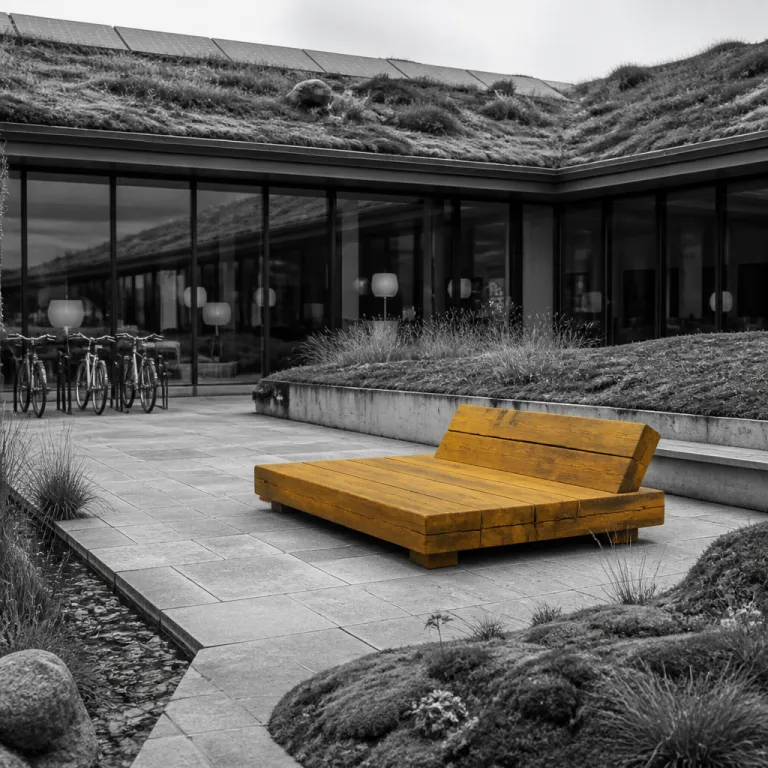
On the roof, green spaces and beehives turn dead surface into habitat while helping to regulate temperature inside the hotel. Downstairs, the Farmstand offers complimentary locally sourced fruit, and the Fjora restaurant runs a low waste kitchen under chef Chantelle Nicholson, whose Green Michelin star signals a serious commitment to seasonality and local sourcing. This is where the language of eco friendly dining becomes tangible, from smaller menus that change with the Danish coastline to careful portioning that reduces food waste without leaving guests hungry.
For a solo explorer choosing between different hotels Copenhagen has on offer, the trade offs at 1 Hotel Copenhagen are instructive. You gain filtered tap water in glass bottles instead of imported brands, digital keys instead of plastic cards and thoughtful amenities in larger, refillable containers rather than miniature packaging. You may lose some of the traditional trappings of a grand hotel, yet the overall experience feels more coherent, more grounded in the city and more aligned with what sustainable hotels in Denmark are trying to achieve.
Guldsmeden Hotels and the organic DNA of Danish eco luxury
Where 1 Hotel Copenhagen represents a polished international flagship, Guldsmeden Hotels embody a more bohemian, deeply Danish take on eco luxury hotels in Denmark. The chain has long focused on minimizing environmental impact through organic materials, low impact cleaning products and a relaxed design language that feels personal rather than corporate. In practice, that means wooden floors instead of wall to wall carpets, natural textiles in the suites and bathrooms stocked with refillable, certified organic products.
At properties like Manon Les Suites in Copenhagen, the courtyard pool framed by hanging plants has become an Instagram staple, yet the real story lies in the systems you do not see. The hotel uses energy efficient heating, extensive waste sorting and a high percentage of organic food at breakfast, aligning with Denmark’s broader push for sustainable sourcing in hospitality. When you read the ESG reporting from Guldsmeden Hotels, you see a clear pattern of investment in long lasting materials and partnerships with local suppliers rather than quick wins.
The upcoming Belle Guldsmeden in Aarhus will continue this organic model, extending the Guldsmeden philosophy beyond the capital city. For solo travelers comparing sustainable hotels across Denmark, the group offers a consistent eco friendly baseline, whether you stay near the harbour in Copenhagen or in a quieter provincial neighbourhood. MyDenmarkStay’s guide to luxury eco hotels in Denmark, which explores sustainable elegance in Copenhagen and beyond, is a useful companion when you want to understand how Guldsmeden, Nimb and other players differ in their approach.
How to read labels, spot greenwashing and understand Danish certifications
Labels are where eco luxury hotels in Denmark can either earn your trust or lose it in a single glance. Green Key, Nordic Swan Ecolabel and the EU Ecolabel all appear across Danish hotels, yet each certification carries different requirements and levels of scrutiny. The key is to read beyond the logo and understand what has actually been measured, from energy use per square metre to the percentage of organic food served in the restaurant.
Green Key focuses on tourism facilities that meet strict criteria on energy, water, waste and environmental management, and Danish luxury hotels have embraced it at scale. Arp Hansen’s entire portfolio is now Green Key certified, and Guldsmeden Hotels publish detailed ESG data to show how they minimize impact while maintaining comfort. The official explanation is clear and worth repeating in full for travelers who care about substance over slogans : "What is Green Key certification?" and the answer is : "An international eco-label for tourism facilities meeting strict environmental criteria."
For a solo traveler, the practical test is simple and applies across Copenhagen, Aarhus or smaller harbour towns in Denmark. When you enter your room, look for refillable amenities, absence of single use plastics, clear recycling options and information about how the hotel manages energy and water. If a property talks loudly about being green but still offers plastic wrapped toiletries, unseasonal menus and no visible recycling, you are probably seeing marketing rather than the quiet confidence of truly sustainable hotels.
What sustainability feels like as a guest : trade offs, upgrades and Danish nuances
Staying in eco luxury hotels in Denmark is less about sacrifice and more about subtle shifts in how comfort is delivered. You might notice that air conditioning is replaced by intelligent ventilation and operable windows, or that lighting is zoned to create atmosphere while still using energy efficient LEDs. In many Copenhagen hotels, digital keys and mobile check in reduce plastic and paper, yet the human welcome at the front desk remains central to the experience.
Breakfast is where the Danish approach becomes especially clear, from Nimb Hotel’s carefully sourced buffet to the organic spreads at Guldsmeden Hotels. You see smaller selections, more local cheeses, seasonal berries and breads from nearby bakeries rather than anonymous industrial suppliers. Arp Hansen reports that around 30 percent of the food served across its hotels is organic, a figure that reflects both regulatory encouragement and a genuine cultural preference for traceable ingredients.
There are trade offs, and it is better to be honest about them, especially for solo travelers who value flexibility. You may find fewer daily linen changes, more emphasis on tap water over bottled brands and menus that change frequently with the seasons. In return, you gain a stronger sense of place, quieter rooms thanks to better insulation and the feeling that your stay in Denmark’s capital city or coastal harbour towns is aligned with how locals actually live.
Planning a sustainable Danish stay as a solo traveler
For independent travelers navigating eco luxury hotels in Denmark, planning starts with choosing the right neighbourhood and then the right property. In Copenhagen, areas like Vesterbro, the inner city and the harbour front each offer a different rhythm, from nightlife heavy streets to calmer, residential corners. Once you have a sense of where you want to sleep, you can filter for Green Key or Nordic Swan Ecolabel certifications and then read deeper into each hotel’s sustainability narrative.
MyDenmarkStay positions itself as a curator rather than a booking engine, focusing on hotels Copenhagen residents would recommend to their own visiting friends. That means highlighting properties where sustainable practices are integrated into design, service and food rather than tacked on as an afterthought. If you are pairing a Danish trip with a longer journey in Asia, the guide on how Danes can combine nearby countries with luxury hotel stays around Vietnam offers a useful framework for thinking about multi stop, low impact itineraries.
Once you arrive, the most effective way to support sustainable hotels in Denmark is to engage with the systems they have built. Use the recycling options in your room, respect linen change policies, choose seasonal dishes and ask staff about local experiences that do not require long transfers. In a country that already ranks at the top of global sustainable travel indexes, your individual choices inside each hotel still matter, and they help push the market beyond labels toward genuinely responsible luxury.
Key figures behind Danish sustainable luxury
- Arp Hansen Hotel Group reports that 100 percent of its properties are Green Key certified, making it one of the most comprehensively certified hotel portfolios in Denmark.
- Across Arp Hansen hotels, approximately 30 percent of food served is organic, reflecting Denmark’s strong regulatory and cultural support for local, sustainably sourced ingredients.
- Nimb Hotel, part of the same group, combines Green Key certification with energy efficient systems and waste sorting, showing that high end properties can meet strict environmental criteria without compromising service.
- Guldsmeden Hotels publish ESG reporting that documents reductions in energy use and increased use of organic products, aligning with national goals to reduce the environmental footprint of hospitality.
- Partnerships with Green Key, Nordic Swan Ecolabel and local suppliers help Danish luxury hotels integrate renewable energy, heat pumps and organic products into daily operations rather than isolated pilot projects.
FAQ about sustainable luxury hotels in Denmark
What makes a Danish luxury hotel genuinely sustainable rather than just greenwashed ?
A genuinely sustainable Danish luxury hotel can demonstrate measurable reductions in energy, water and waste, usually through certifications like Green Key or Nordic Swan Ecolabel. You should see refillable amenities, limited single use plastics, clear recycling options and menus built around seasonal, local ingredients. When staff can explain these choices confidently and the hotel publishes data or ESG reporting, you are likely seeing substance rather than slogans.
Why should I choose a Green Key certified hotel in Denmark ?
Choosing a Green Key certified hotel in Denmark means your stay supports a property that meets strict international criteria on environmental management. Certification covers energy efficiency, water use, waste handling and staff training, so it goes far beyond a simple recycling program. As the official guidance states, "Why choose a Green Key certified hotel?" and the answer is : "To support environmentally responsible accommodations."
How do Danish luxury hotels balance comfort with eco friendly practices ?
Danish luxury hotels balance comfort and sustainability by investing in invisible systems like insulation, heat recovery and efficient lighting while keeping rooms warm, quiet and beautifully designed. Instead of removing amenities, they switch to higher quality, refillable products and focus on better mattresses, textiles and acoustics. Guests usually experience this as an upgrade in comfort, with only minor changes such as fewer daily linen changes or the absence of single use plastics.
What is the difference between Green Key and Nordic Swan Ecolabel for hotels ?
Green Key is an international eco label focused specifically on tourism facilities, while Nordic Swan Ecolabel covers a broader range of products and services across the Nordic region. Both require hotels to meet strict criteria on energy, water, chemicals and waste, but the exact benchmarks and documentation processes differ. In Denmark, some luxury hotels hold one certification and others hold both, signaling a deeper commitment to verified sustainability.
How can I support sustainable practices during my stay in Denmark ?
You can support sustainable practices by choosing certified hotels, using public transport or bicycles, and respecting in room policies on linen and towel changes. Opt for tap water where it is safe, select seasonal dishes in the restaurant and sort your waste using the bins provided. Asking staff about local, low impact experiences also encourages hotels to keep investing in community based, environmentally responsible options.