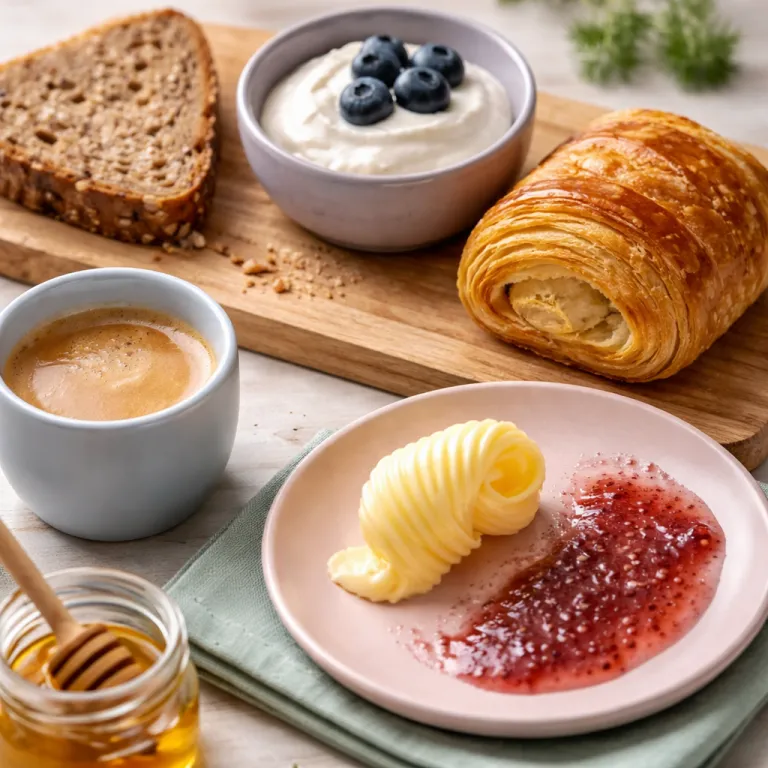
Why the danish hotel breakfast experience now defines luxury
The Danish hotel breakfast experience has quietly become Denmark’s new luxury benchmark. Across Copenhagen and the regions, the smartest hotel teams now invest more in breakfast than in another sculptural chair for the lobby. For couples planning a romantic stay, the first question is no longer about the spa or the bar, but about the breakfast buffet and how it feels at 8:30 on a slow day.
This shift is rooted in Danish culture, where breakfast is treated as a daily ritual rather than a rushed refuel. Hoteliers understand that when guests linger over freshly baked rye bread, organic food from nearby farms and coffee or tea poured with care, they form an emotional bond with the property that no lobby bar redesign can match. The result is a new generation of breakfast restaurant concepts where the food, the room acoustics and even the food label typography are curated as carefully as any Michelin dinner.
Internal guest-satisfaction data from several premium properties across Denmark, reported in hotel press materials and trade interviews, shows that couples who rate the hotel breakfast highly are significantly more likely to extend their included stay or return within the same year. When breakfast is included in the room price and clearly communicated as breakfast included, guests perceive the overall price in DKK as fair, even when the nightly rate is at the upper end of the market. In a competitive Copenhagen scene, the Danish-style hotel breakfast has become both a guest retention strategy and a quiet status symbol.
From lobby statements to breakfast rooms with purpose
For years, Danish luxury hotels competed on lobby drama, from soaring atriums to sculptural reception desks and a glowing lobby bar. Today, the real theatre happens in the breakfast restaurant, where the choreography of guests, staff and food stations determines whether the morning feels calm or chaotic. The most successful properties design the room so that couples can move from buffet to table without queuing, while still feeling part of a gentle social scene.
Hotel Phønix, for example, has shifted attention toward a cozy breakfast restaurant where a generous buffet of fresh rolls, cold cuts and fruit is laid out with almost residential intimacy, as described in its official materials. NH Collection Copenhagen pairs its polished lobby with a breakfast room that feels like a modern Danish apartment, serving international food classics alongside local delicacies and organic ingredients that speak directly to Copenhagen’s culinary identity. Wakeup Copenhagen Bernstorffsgade goes vertical, using its top floor for a breakfast buffet with panoramic city views that turn a simple plate of organic produce into a memorable Danish hotel breakfast experience.
Design details matter here, but they always serve the food and the guests rather than the other way around. Clear food labels help international visitors navigate gluten free and lactose free choices, while subtle zoning keeps families and couples in different corners of the room. When the opening hours stretch from early Monday to Friday service into a later weekend window, the same space can host business travelers at 7:00 and romantic sleepers at 10:30, without either group feeling rushed or out of place.
Farm to table at the breakfast buffet
The farm to table movement has fully reached the Danish hotel breakfast experience, and nowhere is this more evident than in how properties talk about their ingredients. HimmerLand in North Jutland runs three restaurants with a strong focus on local produce, and that philosophy now shapes its morning buffet as much as its gourmet Restaurant HimmerRiget, according to its own descriptions. Guests move between stations of organic produce, freshly baked bread and cured meats, reading each food label like a quiet manifesto of regional pride.
In Sønderborg, Alsik Hotel uses South Jutland fields and fjord as its pantry, bringing organic ingredients and seasonal food into the breakfast restaurant in a way that feels both luxurious and grounded. In Copenhagen, 1 Hotel Copenhagen sources herbs and mushrooms from nearby farms, folding them into omelettes, grain bowls and gluten lactose friendly options that make the hotel breakfast feel closer to a chef driven brunch than a standard buffet. Comwell’s portfolio, known for pairing gastronomy with wellness, extends the same thinking to morning service, where organic food and free lactose alternatives sit alongside classic Danish pastries.
For couples, this means that the price in DKK will often be higher than a basic continental spread, but the value is obvious when every plate tells a local story. When breakfast is included in the stay, the sense of generosity is amplified by the knowledge that the hotel is investing in organic food and gluten free baking rather than generic imports. The Danish hotel breakfast experience becomes a tasting menu of the region, served at a time of day when senses are sharp and conversations unhurried.
Danish brunch culture and the new morning ritual
Copenhagen’s brunch culture has quietly rewritten expectations for the Danish hotel breakfast experience, especially among younger couples and design conscious travelers. Locals are used to weekend tables layered with small plates, coffee refills and a relaxed tempo that stretches a single meal across most of the day. Hotels have responded by blurring the line between breakfast and brunch, extending opening hours and introducing bar menu style dishes that can be ordered alongside the buffet.
In practice, this means that a hotel breakfast in Copenhagen might now include à la carte pancakes, shakshuka or Nordic grain bowls, served from a semi open kitchen that feels more like a neighborhood restaurant than a traditional hotel dining room. Coffee and tea service is upgraded with single origin beans and loose leaf blends, while the lobby bar sometimes doubles as a morning espresso counter for guests who prefer a quick start. For couples planning elegant trips from Denmark, including those using curated resources such as mydenmarkstay.com for luxury hotel stays with meaning, the breakfast offer has become a key filter when choosing where to book.
Outside the capital, the same brunch influence appears in smaller gestures, from freshly baked pastries plated individually rather than piled high, to thoughtful gluten free and lactose free alternatives that feel crafted rather than compensatory. Hotels now communicate clearly whether breakfast is included in the room price, knowing that transparency around DKK costs builds trust with international guests. When the first meal of the day feels both generous and well edited, couples are far more likely to spend the evening in the same property’s restaurant or bar, completing a full circle of hospitality.
How to read the breakfast offer when booking
For couples navigating Denmark’s premium hotel scene, understanding the breakfast offer is as important as choosing the right room category. The Danish hotel breakfast experience varies widely, from intimate dining rooms with a curated buffet to large scale operations where hundreds of guests circulate between stations. Reading beyond the headline “breakfast included” line can reveal whether you are paying for a perfunctory spread or a genuinely memorable start to the day.
Begin by looking at how the hotel describes its ingredients and dietary options, especially if gluten free or lactose free choices matter to you. Phrases such as organic produce, organic ingredients or organic food usually signal a deeper sourcing philosophy, while mentions of freshly baked bread, regional food and clear food labels suggest a team that understands modern expectations. Many Danish hotels now highlight that “a variety of breads, cheeses, cold cuts, fruits, pastries, and beverages” are part of the standard breakfast, and that “it varies; check with the specific hotel” whether this is included in the room rate.
Price transparency is equally important, particularly in Copenhagen where industry reports and hotel listings often place the average breakfast around 150 DKK per person. When the DKK will be added on top of the room, check whether the buffet includes barista coffee, hot dishes and access to a calm breakfast restaurant, or whether you are effectively paying for a crowded lobby extension. Couples who value slow mornings should favor properties that publish clear opening hours, ideally with extended Monday to Friday service and longer weekend windows, so the first meal of the day can match the rhythm of their stay rather than the other way around.
FAQ about the danish hotel breakfast experience
What is typically served at a Danish hotel breakfast
Most Danish hotels serve a breakfast buffet with several core elements. You can expect multiple breads, cheeses, cold cuts, fruits, pastries and hot dishes, alongside coffee, tea and juices. Many properties now add organic ingredients, gluten free options and lactose free dairy to reflect modern dietary needs.
Is breakfast usually included in the room price
Whether breakfast is included in the stay depends on the specific hotel and room type. Some luxury properties in Copenhagen build breakfast into the overall price, while others charge a separate DKK fee per person. It is always worth checking the booking conditions carefully to see if breakfast included applies to your chosen rate.
Are vegetarian and special diet options easy to find
Vegetarian food is widely available at Danish hotel breakfasts, especially in premium properties. Many hotels now label dishes clearly, indicating gluten free, lactose free or vegan options on the buffet and on any bar menu style à la carte list. If you have strict requirements around gluten lactose or other allergens, contacting the hotel in advance is recommended.
What time do Danish hotel breakfasts usually run
Typical opening hours for breakfast in Denmark span around four hours each morning. Many hotels serve from early morning on weekdays, then extend service slightly later on weekends to match local brunch habits. Exact times vary, so always confirm with the property, especially if you have early departures or long day trips planned.
How does a Danish hotel breakfast differ from other European countries
The Danish hotel breakfast experience places stronger emphasis on organic produce, regional ingredients and a relaxed atmosphere than many standard European offerings. You are more likely to find freshly baked rye bread, high quality dairy and clearly labeled dietary options, even in larger hotels. The overall feel is closer to a carefully curated restaurant brunch than a purely functional morning buffet.
References
Tripadvisor – HimmerLand, Farsoe, North Jutland, Denmark.
Official information from Alsik Hotel, Sønderborg, Denmark.
Official information from 1 Hotel Copenhagen and Comwell Hotels Denmark.