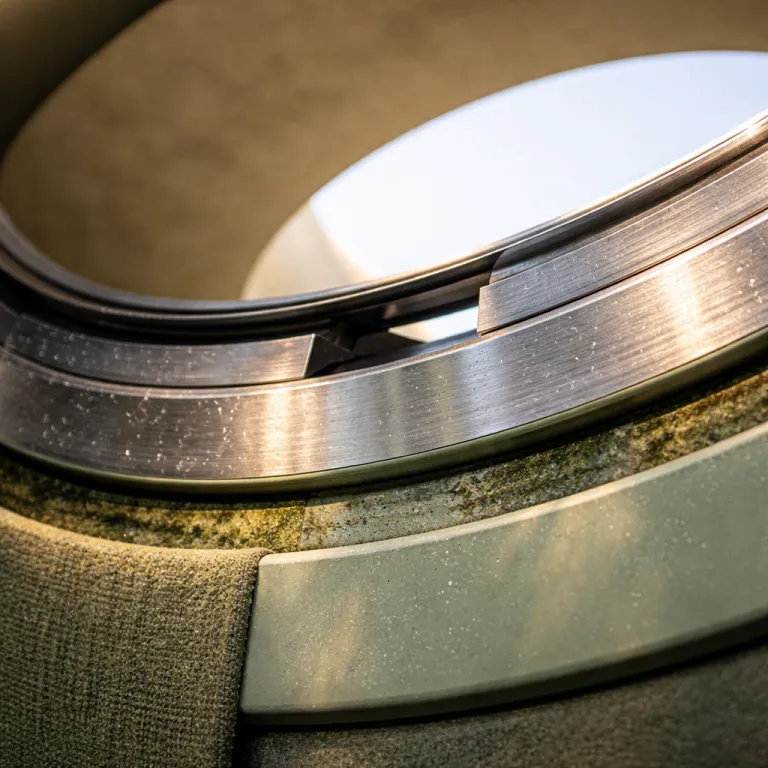
Why the Turrell dome at ARoS Aarhus resets the art museum experience
The Turrell dome at ARoS Aarhus Art Museum quietly rewrites what an art museum visit in Denmark can feel like. In a city already known for Aarhus art and design, this new skyspace shifts attention from objects on walls to the calibrated choreography of light, sky and time. For design conscious solo travelers, the Turrell dome at ARoS becomes less a single attraction and more a framework for planning an entire stay around one evolving experience.
Inside this vast dome, the American artist James Turrell turns the sky into material, using light and colour to shape perception rather than decorate a surface. He has described his approach with disarming clarity: “I am shaping the experience of seeing rather than delivering an image. The architecture holds the sky close, so you recognise that the act of looking is the work itself.” For a traveler used to traditional museum context, the way this art architecture asks you to sit still, breathe and simply look at the open sky feels quietly radical.
ARoS Aarhus positions this permanent installation as the culmination of its expansion project called The Next Level, which folds the Turrell dome into a wider rethinking of museum Denmark. According to ARoS, the dome rises around 16 metres above the underground approach and spans roughly 40 metres in diameter, making it one of the largest skyspaces ever realised in a museum context anywhere, a fact the museum highlights in its own project material. For luxury hotel guests, that scale matters because it justifies building an itinerary around repeated visits, from early morning light sequences to late twilight transitions that reward those staying within walking distance.
From underground corridor to open sky: how the experience unfolds
The journey into the Turrell dome begins not with the sky but with a descent, as you leave the bright public spaces of the art museum and enter a subterranean corridor washed in soft light. This carefully controlled space prepares your eyes and your pace, slowing you down before you step into the circular chamber where the oculus cuts a precise aperture to the sky. For solo travelers used to efficient sightseeing, this deliberate transition from corridor to skyspace feels almost like a guided meditation in architecture.
Once seated along the curved interior, you notice how James Turrell uses both natural and artificial light to stage a sequence that shifts your sense of colour and depth. The open sky framed above Aarhus becomes a moving artwork, while the interior light space subtly changes hue, sometimes cooling the dome, sometimes warming it until the boundary between sky and structure seems to blur. Because this is a permanent installation, the work will reward repeat visits across seasons, with winter’s low sun and summer’s long evenings offering very different readings of the same space.
For design focused visitors, the way the dome’s interior surface receives light recalls Turrell’s earlier work in Venice and other European cities, yet the ARoS Aarhus setting adds a distinctly Nordic clarity. Here, the museum Denmark context means you can move from this immersive installation straight into other Aarhus art collections, then back again later in the day to see how the skyspace has changed. Luxury hotels that understand this rhythm will suggest timed entries, encouraging guests to book both a morning and an evening session rather than treating the Turrell dome as a single quick stop, and to allow at least 45–60 minutes for each full light programme.
Sunrise, sunset and the new rhythm of a luxury stay in Aarhus
For travelers booking premium rooms near ARoS, the real luxury is not thread count but the ability to align your day with the Turrell dome’s changing light. At sunrise, when the city is quiet and the sky over Aarhus is still pale, the skyspace sequences feel almost ascetic, with gentle colour shifts that emphasise the clarity of the open sky. By contrast, sunset sessions wrap the dome in saturated tones, as James Turrell uses calibrated lighting to play against the deepening blue above the art museum roofline.
This difference between morning and evening is not a minor detail; it should shape how you choose both your hotel and your dinner reservations. A property within 500 metres of ARoS Aarhus allows you to slip out before breakfast for a sunrise experience, then return later from a nearby restaurant for a twilight sequence without watching the clock. High end concierges who understand the work will suggest pairing a late afternoon visit to the Salling Galleriet underground level with an early seating at a local bistro, then a final return to the dome as the city lights come on.
Because the Turrell dome is part of a broader expansion project, including new outdoor spaces above the earth covered structure, you can also use the park like roof as a contemplative pause between museum visits. From here, the art architecture by Schmidt Hammer Lassen reveals how the dome disappears into the landscape while still holding the sky close. For solo travelers, this layered experience of space, from underground corridor to open park, turns a standard city break in Aarhus into a carefully paced sequence of encounters with light, colour and air, with sunrise and sunset visits acting as quiet anchors to each day.
Architecture, context and how ARoS reshapes Denmark’s cultural map
The Turrell dome does not stand alone; it is anchored in a precise architectural and cultural context that matters for anyone planning a design led trip through Denmark. Schmidt Hammer Lassen has wrapped the dome in earth and greenery so that the structure reads as a gentle hill rather than an object, extending the existing museum level into a new public landscape. This approach to art architecture means that even before you enter the skyspace, the walk across the planted surface becomes part of the experience of light and space.
Inside, the collaboration between ARoS, the Salling Foundations and other partners positions the museum as a key player in museum Denmark, on par with Copenhagen’s major institutions yet offering a different, more immersive kind of art. The Salling Galleriet, or Salling Gallery, sits below ground as part of the same expansion project, creating a layered sequence of spaces where contemporary installation work can be shown alongside the permanent installation by the American artist James Turrell. For travelers who follow international art circuits from Venice to New York, the fact that this is among his largest skyspaces in a museum context signals that Aarhus now belongs on the same itinerary.
From a hospitality perspective, this shift has concrete implications for luxury and premium hotel booking patterns across the city. Properties that once marketed themselves mainly on proximity to the harbour or Latin Quarter now highlight walking distance to ARoS Aarhus and the James Turrell installation as a primary asset. Over time, this will likely encourage new openings and renovations that take cues from the dome’s restrained palette and focus on light, with rooms oriented to capture sky views that echo, in miniature, the open sky framed inside the museum.
Design conscious itineraries: hotels, dining and wider Danish art journeys
For solo travelers using mydenmarkstay.com to curate a stay, the Turrell dome at ARoS Aarhus becomes a natural anchor around which to build a two or three night itinerary. Choose a luxury hotel within a short walk of the art museum so you can move easily between your room, the skyspace and the surrounding streets without relying on taxis. This proximity also lets you respond flexibly to changing weather, slipping into the dome when the sky promises drama and returning later when the light softens.
Neighbourhood dining completes the picture, with refined yet relaxed restaurants around Aros Allé and the nearby Latin Quarter offering pre or post museum meals that respect the timing of twilight sequences. Ask your concierge to secure early tables so you can reach the skyspace before the most intense colour transitions begin, then end the evening with a quiet drink back at the hotel bar while you scroll through your own photo mads style images of the shifting sky. If you are planning a broader Nordic journey, you can even pair this Aarhus art focus with other cultural experiences highlighted on mydenmarkstay.com, such as an Italian honeymoon style tour adapted for solo travelers seeking slow, design led routes across Europe.
Beyond Aarhus, the Turrell dome sits in dialogue with other Danish cultural projects, from the monumental stones of Dodekalitten on Lolland to the archaeological storytelling at Egtvedpigens Verden near Vejle, all of which reward thoughtful, unhurried travel. For guests booking premium stays across Denmark, this network of sites turns the country into a continuous open air and indoor museum, where each work of art and each carefully designed space will shape how you move, sleep and look. In that sense, the Turrell dome at ARoS Aarhus is not just a single destination but a lens through which to read the entire Danish landscape of light, sky and contemporary culture.
FAQ
What is a Skyspace and how does the Turrell dome in Aarhus fit this concept?
A Skyspace is an enclosed architectural space with an opening to the sky, designed so visitors can observe subtle changes in light and atmosphere over time. The Turrell dome at ARoS Aarhus Art Museum follows this principle, using a circular oculus to frame the sky above the city while interior lighting shifts in carefully programmed sequences. This makes the Aarhus installation both a classic example of the Skyspace idea and a unique large scale interpretation within a museum context.
Who is James Turrell and why is his work important for travelers interested in art and design?
James Turrell is an American artist known for work with light and space, creating installations that turn perception itself into the subject of the artwork. For design conscious travelers, his projects matter because they sit at the intersection of art, architecture and experiential design, often requiring you to slow down and pay attention to how you see. Visiting the Turrell dome in Aarhus offers a way to engage with his ideas without leaving the city centre, making it an accessible yet profound cultural experience.
How can I visit the Turrell dome at ARoS Aarhus Art Museum?
Access to the Turrell dome is through ARoS Aarhus Art Museum, located at Aros Allé 2 in central Aarhus. You enter via an underground corridor inside the museum, and ARoS typically requires either a standard museum ticket or a specific time slot booking for the light programmes, which can be arranged through the museum’s official ticketing system. It is wise to check current museum hours, reserve twilight sessions at least a few days in advance and allow extra time to sit through a full light sequence rather than treating it as a quick photo stop.
What are the best times of day to experience the Turrell dome as a hotel guest?
Sunrise and sunset offer the most dramatic contrasts, with early sessions emphasising clarity and calm while evening visits highlight saturated colour and the transition from day to night. Hotel guests staying nearby can easily plan both, starting the day with a quiet morning sequence before breakfast and returning for a twilight programme after an early dinner. This flexibility is one of the main reasons to choose accommodation within walking distance of ARoS.
How does the Turrell dome influence where I should stay in Aarhus?
Because the dome skyspace rewards repeat visits and specific timing, proximity becomes a key luxury for design focused travelers. Choosing a high end hotel within a short walk of ARoS Aarhus Art Museum allows you to integrate the installation naturally into your day, rather than treating it as a single excursion. Over time, properties closest to the museum are likely to refine services, from concierge advice to breakfast hours, around the rhythms of this new cultural landmark.