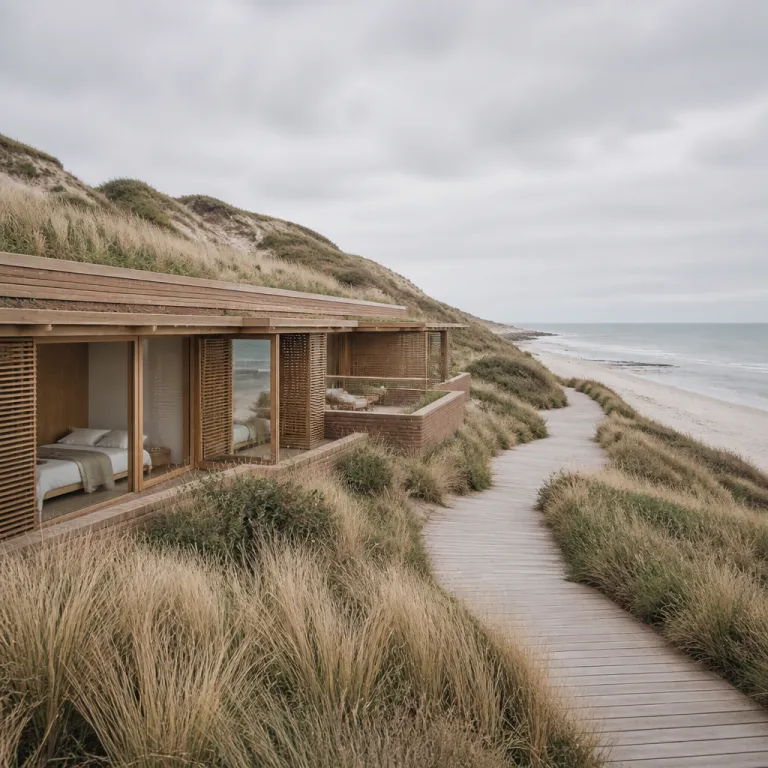
How sleep tourism is reshaping luxury hotel stays in Denmark
Sleep tourism in Denmark hotels is no longer a niche curiosity; it is quietly becoming the new benchmark for luxury hospitality. When a hotel stay is designed around your circadian rhythm, every detail from the mattress to the minibar is calibrated for deep sleep rather than late night stimulation. For couples used to busy everyday life in large cities, this shift towards restorative rest can feel like the most indulgent experience of all.
Sleep tourism means travelling with one primary goal, which is to secure a restorative night sleep supported by science, design and attentive service. Danish spa hotels and premium coastal retreats now offer weighted blankets, pillow menus and even sleep menus that let you choose calming teas, low sugar snacks and magnesium rich gourmet food before bed. As one industry definition from wellness travel media puts it without ambiguity, “travel focused on improving sleep quality through specialized accommodations and services that promote healthy rest.”
Across Denmark, from Copenhagen to the west coast, hoteliers work with sleep experts, interior designers and wellness consultants to align lighting, acoustics and materials with natural circadian rhythms. Many of the best sleep tourism Denmark hotels now feature blackout curtains, soundproofing and ventilation systems that pull in fresh air from surrounding nature rather than relying only on mechanical cooling. Guests who read carefully through room descriptions will notice references to blue light free technology, dimmable warm lamps and even cold water therapy options that support a calmer nervous system before bed.
- Blackout curtains rated to block 90–100% of external light
- Sound insulation targeting at least 25–30 dB noise reduction from corridors
- High quality mattresses with clear firmness descriptions and natural toppers
- Pillow options (at least two heights or materials per guest)
- Ventilation that brings in fresh outdoor air, not just recirculated cooling
- Warm, dimmable bedside lighting and minimal blue light from in-room tech
Why Denmark’s light and landscape make it a natural sleep laboratory
Denmark’s latitude creates long summer days and short winter afternoons, which makes circadian friendly design both a challenge and an opportunity for hotels. In June, daylight can stretch close to 18 hours, so blackout facilities and precise curtain design are not optional extras but core elements of any serious sleep focused hotel stay. The best properties use this extreme light to their advantage, pairing dark, cocoon like rooms at night with morning rituals that bring you gently back into the day.
Many Danish spa hotels now combine sleep tourism with nature experiences that start the moment you step outside your room. A morning walk through a coastal park or a green forest trail, followed by a plunge into cold water and a session in a hot tub, helps reset your internal clock more effectively than any app. Couples who stay in these hotels will experience how fresh air, quiet surroundings and low light pollution can transform both an overnight stay and the quality of the following day.
Traditional Danish kro inns, often located in rural corners of Denmark, are also leaning into this trend with subtle upgrades rather than flashy gadgets. Some of the most atmospheric properties highlighted in guides to the Danish kro tradition as a luxury travel secret now offer sleep friendly wings with thicker walls, calmer colour palettes and late check out as standard. When you combine this with slow dinner service, candlelit lounges and the chance to read by the fire instead of scrolling, the result is a hotel experience that feels both deeply Danish and quietly luxurious.
Inside Denmark’s emerging sleep focused hotel designs
Across the country, a new generation of sleep tourism Denmark hotels is experimenting with room layouts that prioritise rest over spectacle. Instead of placing the bed as a decorative centrepiece, designers are tucking it into calmer corners, away from corridor noise and glowing televisions. Weighted duvets, breathable natural fabrics and supportive mattresses are becoming as important to the booking decision as a rooftop bar or a dramatic lobby photo.
Properties such as Stilbjerg Sleep & Hygge are representative of how small scale guesthouses can compete with larger spa hotels on sleep quality. Set in quiet natural surroundings, these stays focus on green materials, low key facilities and slow rhythms, encouraging guests to read on the terrace, listen to birds rather than traffic and ease into a more natural sleep cycle. For couples, this kind of overnight stay can feel like a reset button, especially when combined with a simple dinner made from local produce and served at a sensible hour.
Urban hotels are adapting too, particularly in Copenhagen where traffic, nightlife and conference schedules can easily disrupt rest. Some of the best city properties now offer dedicated quiet floors, circadian lighting that shifts colour temperature through the evening and spa wellness zones that close early to protect the atmosphere of the rooms above. When planning a summer trip, it is worth consulting curated lists of Denmark properties to book before peak season, paying close attention to which hotels talk clearly about sleep, not just design and dining.
From spa wellness to sleep wellness: what actually changes
Classic spa hotels in Denmark have long focused on treatments, from saunas and steam rooms to massages and facials. Sleep tourism Denmark hotels borrow some of this spa wellness language but redirect the emphasis towards what happens after you leave the treatment area and return to your room. The goal is not to fill your day with activities but to orchestrate a gentle arc from morning light to deep night sleep.
In practice, this means rethinking the timetable as much as the facilities. Dinner is served earlier, with lighter gourmet food options that avoid heavy sauces and late caffeine, and spa areas often close by early evening so that guests can wind down in quieter spaces. Instead of late night bar service, you might find herbal tea stations, reading corners with soft lamps and staff trained to speak softly in corridors, all of which subtly signal that the hotel stay is entering its most important phase.
Industry observers note that this shift reflects a broader wellness trend. Analyses from organisations such as the Global Wellness Institute describe a marked rise in demand for sleep focused stays within wellness tourism since the early 2020s, and VisitDenmark has highlighted growing interest in nature based, recovery oriented breaks. Compared with traditional spa hotels that focus on daytime pampering, these sleep led stays feel calmer, more intentional and ultimately more effective for guests who arrive exhausted from everyday life.
Hidden Danish places where sleep comes first
Beyond Copenhagen, a handful of lesser known properties are quietly refining the art of restorative rest. Hotel Sleep2Night, for example, is often cited as a practical base with cosy rooms and modern amenities on the edge of urban life, making it a useful option for travellers who want easy access to the city but a calmer setting for their night sleep. The focus here is on reliable facilities, straightforward comfort and a layout that keeps traffic noise at a distance.
On the coast, family run places such as Femmasteren Hotel illustrate how personal attention can elevate a simple overnight stay into a memorable sleep tourism experience. Rooms are often compact but carefully arranged, with good mattresses, blackout curtains and windows that open to let in fresh air from nearby nature rather than only conditioned air. After a relaxed dinner in the house restaurant, many guests choose to read in bed or take a short walk outside, returning to rooms that feel intentionally prepared for rest rather than late night entertainment.
For design focused couples, new openings along the Danish shoreline are blending architecture, spa wellness and sleep science in intriguing ways. One of the most talked about examples is profiled in an inside look at a designer seaside hotel in Hornbæk, where rooms are oriented to capture morning light while maintaining deep darkness at night. These properties often sit close to a park or forest, inviting guests into gentle nature experiences during the day so that the body is pleasantly tired, not overstimulated, when it is finally time to sleep.
How to choose the right sleep focused hotel in Denmark
For travellers searching online, the phrase sleep tourism Denmark hotels can feel vague until you know what to look for. Start by reading room descriptions carefully and scanning for concrete details such as blackout curtains, soundproofing, ventilation that brings in fresh air and options for different pillow types. Hotels that take sleep seriously will usually describe these features clearly rather than hiding them behind generic wellness language.
Next, pay attention to how the hotel talks about its spa wellness and water facilities. A property that offers early morning cold water plunges, afternoon hot tub sessions and quiet relaxation rooms with views of nature is more likely to support your circadian rhythm than one that promotes late night pool parties. If you are planning a romantic stay, check whether dinner times, bar hours and room service menus are aligned with an early wind down, and whether the hotel stay includes late checkout so that you can extend your night sleep without rushing back into everyday life.
Location matters as much as technology, especially in a compact country like Denmark where you can move easily between city and coast. A hotel near a green park, forest edge or shoreline will offer more restorative nature experiences than one surrounded only by traffic, even if both have similar room facilities. Couples who choose carefully will experience a different kind of luxury, where the best memory from the trip is not a single dramatic photo but the feeling of waking up rested, stepping into crisp morning air and realising that this time, the hotel was designed around their sleep rather than the other way around.
Practical sleep rituals to pair with your Danish hotel stay
Even the most advanced sleep tourism Denmark hotels work best when guests bring a few simple rituals of their own. Start by setting a personal digital sunset, turning off bright screens at least an hour before bed and using the time instead to read, stretch or talk quietly with your partner. Many Danish hotels provide low light bedside lamps and calm corners where you can sit with a book or a cup of herbal tea, which helps signal to the body that everyday life is on pause.
Use the landscape as a natural sleep aid by planning gentle nature experiences at the edges of the day. A slow walk through a nearby park in the late afternoon, breathing in fresh air and noticing the soft Danish light, can be more effective than another spa treatment when it comes to preparing for deep rest. In the morning, a brief exposure to cold water, whether in the sea, a plunge pool or a cool shower, helps anchor your circadian rhythm and makes it easier to feel sleepy again at night.
Finally, treat dinner and the spa as supporting acts rather than the main event. Choose lighter gourmet food in the evening, avoid very late restaurant bookings and keep hot tub sessions to earlier in the night so that your body temperature has time to fall before sleep. When you align these personal choices with the thoughtful facilities offered by Denmark’s best spa hotels and coastal retreats, you will experience the full potential of a hotel stay designed around your circadian rhythm.
Key figures shaping sleep tourism in Denmark
- Surveys from organisations such as the Global Wellness Institute and national tourism boards consistently show that sleep quality now ranks among the top factors influencing hotel choice, which explains why more Danish properties are investing in blackout curtains, soundproofing and circadian lighting.
- Industry analyses of wellness travel trends describe a marked rise in demand for sleep focused stays since the early 2020s, signalling that specialised rest oriented breaks are moving from trend to mainstream within wellness tourism.
- Denmark’s long summer days, with daylight stretching close to 18 hours in June, make the country a natural test bed for circadian friendly hotel design that can later be replicated in other northern destinations.
- Wellness travel publications such as Elite Traveler and Destination Deluxe now list sleep tourism among the notable wellness travel trends for the coming years, placing Denmark alongside other leading destinations for recovery focused stays.
Frequently asked questions about sleep tourism in Denmark
What is sleep tourism in practice at Danish hotels ?
Sleep tourism in Denmark means choosing hotels that design rooms, lighting and services specifically to improve your night sleep. These properties focus on blackout curtains, quiet corridors, natural materials and calming evening rituals rather than late night entertainment. The aim is for guests to leave feeling more rested than when they arrived, not simply entertained.
How do hotels in Denmark design for circadian rhythms ?
Many Danish hotels now work with sleep experts and designers to align indoor lighting with the natural light outside. Warm, dimmable lamps replace harsh overhead lights in the evening, while morning light is encouraged through window placement and curtain design. Soundproofing, temperature control and access to fresh air are also calibrated to support a stable sleep wake cycle.
Are there specific hotels in Denmark that focus on sleep ?
Yes, several properties across Denmark now market themselves around sleep quality, from rural guesthouses such as Stilbjerg Sleep & Hygge to coastal inns like Femmasteren Hotel and practical bases such as Hotel Sleep2Night. These hotels highlight features such as quiet locations, high quality beds, blackout curtains and spa wellness options that support rest. When researching, look for explicit mentions of sleep focused amenities rather than only general wellness claims.
How is a sleep focused stay different from a classic spa weekend ?
A classic spa weekend often centres on treatments, long opening hours and social spaces, which can sometimes keep you stimulated late into the evening. A sleep focused stay, by contrast, uses spa facilities earlier in the day and then gradually reduces stimulation through lighting, sound and service style. The entire hotel stay is structured around helping you fall asleep easily and wake up refreshed, rather than maximising the number of activities.
What should I check before booking a sleep tourism hotel in Denmark ?
Before booking, read the room descriptions carefully and look for details about blackout curtains, mattress quality, pillow options and ventilation. Check whether the hotel is located near nature, such as a park, forest or coast, which can enhance rest through fresh air and quiet surroundings. Finally, review dinner times, spa hours and late checkout policies to ensure the schedule supports, rather than disrupts, your preferred sleep rhythm.
Selected sources for further reading : Elite Traveler, Destination Deluxe, VisitDenmark, Global Wellness Institute.