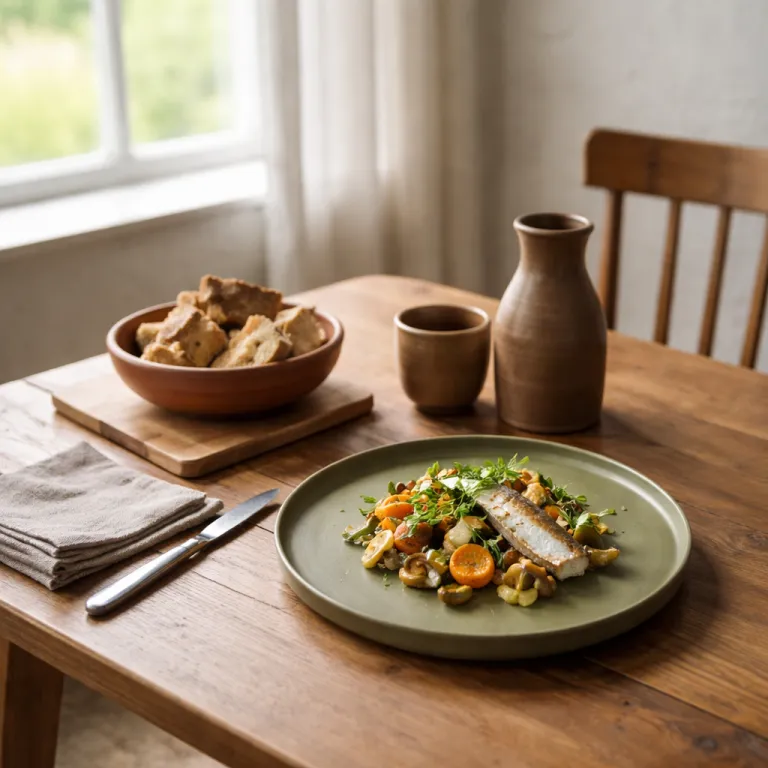
What the Danish kro inn tradition really means for luxury travelers
The Danish kro inn tradition began as a royally licensed network of roadside refuges, yet today it quietly rivals many luxury hotels. These historic inns, or kro inns, were created to guarantee safe overnight stays and reliable food and drink for travelers crossing Denmark on horseback. A traditional Danish kro still blends lodging, a welcoming restaurant and a social hub, which makes each Danish inn feel closer to a living piece of cultural heritage than to a standard hotel.
Across Denmark there are nearly 100 officially recognised Danish inns, many in buildings that have hosted guests for centuries and still serve traditional Danish food alongside carefully updated rooms. According to VisitDenmark’s overview of historic inns and kro stays and the Danish Innkeepers’ Association membership lists, the royally licensed kro dates back to a 13th-century decree requiring inns at regular intervals along main routes. This is where the Danish kro inn tradition differs from a modern hotel concept; the inn is not only a place to sleep but a community anchor, where local residents come for lunch, celebrations and seasonal menus. When you book a kro inn you are entering a space where the owners, often families, see themselves as custodians of stories, recipes and rituals rather than operators of anonymous hotels.
For luxury travelers used to international brands, the Danish kro inn tradition offers a different kind of comfort, one rooted in character and continuity. You might arrive for a single lunch and end up extending your overnight stays because the atmosphere feels both intimate and quietly refined. Before you book, read the inn’s website carefully, look at each kro photo and call the listed phone number if you want to clarify details about room categories, pool and sauna access or the level of modern amenities.
From royal roads to refined retreats: how kros evolved
The first royally licensed kros were positioned along main routes so that travelers could always find an inn within a day’s ride. Over time these Danish inns shifted from purely functional stops into destinations in their own right, with some like Hvidsten Kro and Den Gamle Kro becoming known for generous food and drink and warm service. Today the Danish kro inn tradition continues this evolution by pairing historic beams and low ceilings with modern comforts such as high-pressure showers, curated lighting and considered acoustics.
Many kro inns now sit close to a national park, a fjord or a quiet village green, which allows guests to combine nature walks with slow evenings over gourmet cuisine. Families often choose a Danish inn because the format feels relaxed yet structured, and because shared dining rooms make it easy for children to try traditional dishes without the stiffness of a formal city hotel. As one official description from the Danish Tourism Board puts it, “A traditional inn offering lodging and meals” and “Yes, they specialize in local cuisine” — a reminder that the kitchen remains central to every Danish kro experience.
For Danish readers planning multi-generational trips, a chain hotel in a city centre may still work, but a series of kro inns can create a more layered journey. You can pair a stay at a modern inn near Aarhus with a night in a more rustic Danish kro on Funen, balancing design-led rooms with creaking staircases and candlelit dining. For inspiration on how families already navigate this mix of properties, the guide to family friendly luxury hotels in Denmark offers a useful benchmark for service levels and amenities to expect.
Where the Danish kro inn tradition meets modern luxury
Some of the most compelling expressions of the Danish kro inn tradition now sit at the intersection of heritage and contemporary design. On the Djursland coast, Molskroen has become a reference point for travelers who want a kro inn with serious gourmet cuisine and immediate access to Mols Bjerge National Park. Here the main inn and its related modern buildings show how Danish inns can integrate clean lines, large windows and a discreet pool and sauna area without losing the intimacy of a classic kro.
On the west coast, Henne Kirkeby Kro has earned international attention for its kitchen, gardens and quietly luxurious rooms that still feel rooted in the surrounding landscape. Staying at Henne Kirkeby means waking to the smell of bread, walking through dunes after breakfast and returning to a restaurant where traditional Danish techniques meet precise, modern plating. As one long-time owner described it in a Danish newspaper interview, the aim is “to keep the soul of the kro while giving guests the comfort of a small luxury hotel.” This is the Danish kro inn tradition at its most elevated, where a Danish inn can confidently stand alongside top-tier hotels in Denmark while offering a more personal rhythm.
Closer to Zealand, Bromølle Kro and Kirkeby Kro show another side of Danish kro hospitality, with smaller dining rooms, local regulars and menus that lean into seasonal food and drink from nearby producers. Travelers who usually book international hotels might be surprised by how refined these inns feel once inside, especially when you compare the room rates with those of high-end properties in Copenhagen. For a sense of how the capital’s sustainable flagships are redefining expectations, read this review of what Copenhagen’s new sustainable luxury hotel gets right and then consider how a kro inn can complement that experience on the same trip.
Regional characters: from Aarhus outskirts to island kros
Each region of Denmark expresses the Danish kro inn tradition differently, which makes a kro-hopping itinerary far more interesting than repeating the same style of hotel. Around Aarhus you will find Danish inns that blend proximity to the city centre with quick access to forests and beaches, allowing you to spend the day in museums before returning to an inn for a late lunch or dinner. These kro inns often attract both business travelers and locals, so the restaurant atmosphere feels lively on weeknights and especially during seasonal celebrations.
On Funen and the smaller islands, a Danish inn tends to lean into maritime history, with whitewashed walls, low ceilings and menus built around fish, shellfish and traditional Danish comfort food. Here the Danish kro inn tradition is closely tied to local producers; you might see the same fishermen who supplied your lunch sitting nearby for their own meal. In Jutland, by contrast, many kro inns sit near a national park or open heathland, which makes them ideal bases for hiking, cycling and long, slow dinners that stretch across several courses.
Zealand and the islands close to Copenhagen offer yet another variation, where modern architecture sometimes wraps around a centuries-old core. Properties like Bromølle Kro or Kirkeby Kro may combine contemporary rooms with classic dining rooms, giving you the choice between sleek interiors and deeply traditional spaces. Typical room categories range from compact doubles to larger family rooms, often with breakfast included in the rate. When you plan your route, read each inn description carefully, look at every kro photo on the website and, if needed, use the listed phone contact to clarify whether you prefer ultra-modern rooms or something more rustic.
How to plan a kro focused itinerary with a luxury mindset
Designing a journey around the Danish kro inn tradition starts with deciding how many overnight stays you want to anchor in rural areas versus cities. One effective pattern is to begin with two nights in a design-forward hotel in Copenhagen, then move through a sequence of kro inns that gradually take you deeper into Denmark’s quieter corners. This balance lets you enjoy urban food and drink culture before shifting into the slower, more tactile world of the Danish kro.
When comparing options, treat each kro inn with the same scrutiny you would apply to five-star hotels, but read the details through a different lens. Instead of focusing only on spa menus or rooftop bars, look for signs of strong kitchens, engaged owners and a clear sense of place in every Danish inn description. Check whether the inn offers a pool and sauna, whether lunch is served daily, how the restaurant handles traditional Danish dishes and how close the property sits to a national park or cultural site.
For bookings, use a trusted luxury hotel website that understands the nuances of Danish inns and can filter for amenities like gourmet cuisine, modern rooms or family-friendly layouts. Many kros still prefer direct reservations by phone or email, which can be an advantage if you want to negotiate specific room locations or tailor-made menus. To round out your planning, pair this kro-focused route with insights from our guide to the most refined luxury hotels in Denmark, then decide where a Danish kro stay will replace or complement a conventional hotel night.
FAQ about the Danish kro inn tradition
What is a Danish kro and how is it different from a hotel ?
A Danish kro is a traditional inn that combines lodging, a restaurant and a local gathering place under one roof. Unlike many hotels, a kro is usually smaller, often family owned and deeply tied to its surrounding community. The focus sits as much on traditional Danish food and social life as on the rooms themselves.
Are Danish inns suitable for families and solo travelers ?
Many Danish inns are family friendly, with flexible room setups and relaxed dining rooms where children are welcome. Solo travelers often appreciate the social aspect of shared breakfast tables and lively dinners, which makes it easy to meet locals. Because each Danish inn is unique, it is wise to read the website carefully or call by phone to confirm specific needs.
Do kros always serve traditional Danish cuisine ?
Most kros place their restaurant at the centre of the experience and serve traditional Danish dishes based on local ingredients. Some, such as Molskroen or Henne Kirkeby Kro, elevate this into full gourmet cuisine with tasting menus and ambitious wine pairings. Even in more modest kro inns you can usually expect hearty classics, seasonal produce and generous food and drink.
How far in advance should I book a kro in Denmark ?
Because many Danish inns have a limited number of rooms, advance booking is strongly recommended, especially for weekends and holidays. Popular properties near a national park or close to a major city centre can fill up quickly when the restaurant gains a strong reputation. Booking early also gives you a better choice of room types and views.
Can I plan a full trip around kro stays instead of hotels ?
It is entirely feasible to design an itinerary that relies mainly on kro inns, using occasional city hotels only where necessary. A kro-hopping route lets you experience different regions of Denmark through their food, architecture and local communities. Many travelers now combine two or three nights in a major city with several overnight stays in kro inns to create a richer, more varied journey.
Sources
VisitDenmark official tourism information on historic inns and kro stays; Danish Tourism Board publications on traditional lodging; Danish Innkeepers’ Association membership lists and historical notes.