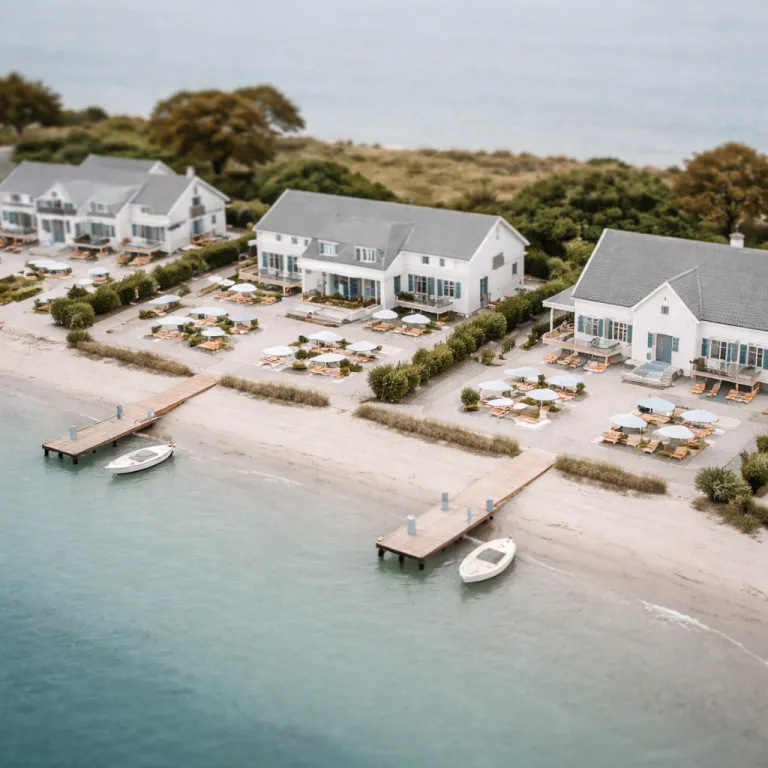
Why danish islands hotels feel different from the mainland
On the Danish islands, hotels operate at a slower, more attentive rhythm. Luxury here is measured in silence after the last ferry leaves, in the way Danish nature presses up against your window and in how easily a planned city break turns into an island holiday that stretches for days. For travelers who stay Denmark often, these islands in Denmark quickly become the places to stay that mainland addresses struggle to match.
Across Denmark, island hotel culture is shaped by scale and proximity to nature. Properties are usually small enough that you will find the owner pouring coffee at breakfast, yet serious enough about design and gastronomy to satisfy the most demanding guest who wants both a beautiful room and serious food. This is where Danish island hotels quietly outshine big resorts, because each island offers its own character, its own town rhythm and its own relationship with the sea.
Bornholm, Fanø and Ærø sit among the islands top choices for independent travelers who want intimacy rather than spectacle. These islands Denmark destinations are supported by national Coastal and Nature Tourism initiatives that encourage sustainable accommodation, from refined hotels to discreet holiday homes and the occasional architect designed holiday cottage hidden behind dunes. When you search hotels for a stay Denmark escape that feels both remote and connected, these three islands offer a balance of comfort, culture and nature that is hard to replicate elsewhere in Denmark.
Bornholm: Baltic light, creative energy and serious small hotels
Bornholm is the Baltic island that design conscious travelers in Denmark talk about in low, knowing tones. The island combines granite cliffs, sandy beaches and pine forests with an increasingly ambitious food scene, making it ideal for a long holiday or a focused long weekend where you move slowly between coastal town and countryside. With a wide spread of intimate properties across the island, Danish islands hotels on Bornholm give you a rare choice of accommodation styles without ever feeling like a resort corridor.
In the main town of Rønne and along the coast near Gudhjem and Svaneke, you will find hotels Danish in character, often housed in former merchants’ houses or converted farm buildings that keep their patina while upgrading the bedding and bathrooms. Classic examples include seaside stays such as Griffen Spahotel in Rønne or the historic Stammershalle Badehotel near Gudhjem, which pair Baltic views with contemporary comforts. These hotels offer thoughtful touches such as locally roasted coffee, ceramics from island studios and breakfast tables that linger into early afternoon, which is exactly what you want on an island holiday shaped by sea light. Travelers should note that specific hotel names, classifications and facilities can change over time, so always confirm current details and guest reviews before booking.
Bornholm works year round, but the island offers different moods with each season, from quiet winter walks to late summer swims. For a perfect balance of calm and activity, base yourself near the east coast where you can visit smokehouses, cycle between villages and capture the occasional Denmark photo that looks almost Mediterranean. If you are planning a wider regional journey that pairs Denmark with long haul destinations, it is worth reading about how Danes combine Asian itineraries with high end stays in the guide on pairing Vietnam and nearby countries with luxury hotel stays, then returning to Bornholm for a quieter, Danish nature reset.
Fanø and Ærø: west coast wildness and south Funen charm
On the North Sea, Fanø feels like a different Denmark, shaped by wind, tide and a horizon that never seems to end. The island has only one small hotel in the strict sense according to many local listings, yet this scarcity is precisely why Danish islands hotels here feel so coveted, because every room sits close to dunes, sandy beaches and the wide tidal flats that host kite festivals and long, solitary walks. For many guests, the real luxury is stepping from a refined room directly into raw nature within minutes.
Fanø’s main town of Nordby offers painted houses, narrow streets and a harbourfront where you can watch ferries glide back to Esbjerg, reminding you how close the mainland is while feeling psychologically distant. Accommodation on the island extends beyond the single hotel to carefully restored holiday homes and a handful of intimate guesthouses, which together offer more character than any large resort could manage. When you search hotels or consider a holiday cottage here, you are really choosing how close you want to sleep to the dunes and how much you want the wind to shape your stay Denmark experience.
Ærø, by contrast, sits off South Funen and trades in cobblestones, sailing culture and pastel facades that look almost too composed in every photo. The island has one notable small hotel in Ærøskøbing, where creaking floors, thoughtful textiles and harbour views create a perfect base for exploring the Danish islands of the South Funen archipelago by bike or boat. Atmospheric options such as the waterfront Ærø Hotel near Marstal or the cosy Pension Vestergade 44 in Ærøskøbing show how historic houses can feel both homely and quietly upscale. For design minded travelers interested in how Danish seaside hospitality is evolving, the profile of a new designer led property in North Zealand, detailed in the feature on a designer seaside hotel in Hornbæk, offers a useful counterpoint to the more historic, quietly luxurious hotels Danish guests love on Ærø.
How to choose and book danish islands hotels like an insider
Choosing between Bornholm, Fanø and Ærø is less about ranking islands top to bottom and more about matching your own rhythm to each island’s pace. Bornholm suits travelers who want a dense mix of nature, food and culture, while Fanø is better for those who crave weather, dunes and long walks, and Ærø excels at slow town life and sailing heritage. Across all three, the most interesting hotels Danish travelers book are small, opinionated properties where the owner’s taste is visible in every room.
When you search hotels for an island holiday, start with the question of how you want to move. On Bornholm, a car or bike opens up the island offers of cliff paths, forest trails and scattered smokehouses, while on Ærø you can comfortably rely on buses and ferries between the main town and smaller villages. Fanø sits somewhere in between, where you will find that a bicycle and good rain jacket are often more useful than a car, especially if you plan to photograph Danish nature or capture a Denmark photo of the vast beaches at low tide.
Booking early is essential, because small hotels and high quality holiday homes on these islands Denmark destinations fill quickly, especially during school holidays and key festival periods. As a practical rule of thumb, aim to reserve your preferred room three to six months ahead for July and August, and at least a few weeks in advance for shoulder seasons. Local tourism boards often advise travelers to book in advance, explore local cuisine and use public transport when planning their stay, and this is particularly true for Danish island hotels where capacity is limited by design. For a deeper understanding of how intimate properties fit into the broader Danish hospitality tradition, the feature on the Danish kro tradition as a quiet form of luxury is essential reading before you choose your next places to stay.
Island logistics, seasons and why many travelers now skip the capital
Reaching these islands in Denmark is straightforward once you accept that ferries and timetables will shape your holiday more than flight schedules. Bornholm is accessed by ferry from Ystad in Sweden or Køge near Copenhagen, Fanø by a short crossing from Esbjerg and Ærø by routes from Svendborg or Faaborg on South Funen, with typical sailings often taking under two hours on the shorter routes. Operators, departure times and seasonal frequencies change regularly, so always check current schedules and any weather related updates before you travel, which makes it easy to combine an island holiday with a gentle road trip. The Faroe Islands sit much further out in the North Atlantic and belong to the wider Danish realm, but they form a separate, more demanding journey that most travelers treat as a standalone adventure rather than an add on to Danish islands hotels.
These islands work year round, though the mood shifts dramatically with the seasons. Summer brings swimmable water, long evenings and busy sandy beaches, while spring and autumn favour walkers, cyclists and readers who want to sit in a window seat and read as weather moves across the horizon. Winter stays in Danish island hotels are quieter, but they reward guests who value empty paths, dramatic skies and the feeling that you will find the same familiar faces in the town café each morning.
Many repeat visitors to Denmark now choose to spend a full week on one island instead of dividing time between Copenhagen and the coast, because the depth of experience on Bornholm, Fanø or Ærø often outweighs the variety of a multi stop itinerary. On these islands Denmark destinations, you can move between hotel, harbour, forest and beach in a single day without ever feeling rushed, which is why small hotels so often outshine big resorts that sit far from everyday life. For travelers who enjoy unusual places, the combination of refined accommodation, close knit communities and Danish nature that feels both gentle and wild is what turns a simple holiday into a habit.
Food, sustainability and the quiet luxury of island hospitality
One of the strongest arguments for choosing Danish islands hotels over large resorts is what arrives on your plate. Island kitchens on Bornholm, Fanø and Ærø work with short supply chains, meaning breakfast yoghurt often comes from a farm within a few kilometres and fish might have been landed in the town harbour that same morning. This proximity to producers allows hotels Danish chefs to offer menus that feel both rooted and refined, without the need for theatrical gestures.
Travelers increasingly ask whether small hotels are more sustainable, and the answer is often broadly yes, because lower room counts and shorter supply lines can reduce environmental impact when managed carefully. Independent research on hospitality sustainability is evolving, but many Danish island properties now highlight renewable energy use, waste reduction and local sourcing in their own materials, so it is worth checking each hotel’s latest sustainability policy before you book. On the Danish islands, this often translates into places to stay that quietly integrate green technologies, limit unnecessary amenities and encourage guests to use public transport or bicycles rather than cars whenever possible.
Across these islands Denmark destinations, you will find that the most memorable meals often happen in hotel dining rooms that double as living spaces, where staff remember your preferences and the evening stretches longer than planned. Some guests choose self catered holiday homes or a traditional holiday cottage instead, but still gravitate towards hotel restaurants for at least one long dinner that anchors the trip. Whether you are returning from a windswept walk on Fanø, a coastal cycle on Ærø or a forest hike on Bornholm, the combination of good lighting, thoughtful wine lists and quietly confident cooking is what makes these places to stay feel like true refuges rather than just accommodation.
FAQ
Why do small hotels on Danish islands feel more personal than big resorts?
Small hotels on Bornholm, Fanø and Ærø usually have fewer rooms, so staff quickly learn guests’ names, routines and preferences. Owners are often present on site, which creates a sense of accountability and warmth that large properties struggle to replicate. The result is a stay where service feels tailored rather than scripted.
Are small island hotels in Denmark equipped with modern comforts?
Most small hotels on these islands have been renovated to include high quality beds, strong Wi Fi and contemporary bathrooms while preserving historic character. You can expect good insulation, reliable heating and often thoughtful extras such as quality coffee and curated reading material. The balance of comfort and authenticity is a key part of their appeal.
Is it easier to stay in a hotel or a holiday home on the islands?
Hotels suit travelers who value service, on site dining and flexible arrival times, while holiday homes and cottages work well for longer stays or families who want more space. On Bornholm, Fanø and Ærø, both options are widely available, but hotel rooms tend to book out faster in peak season. Many visitors combine a few hotel nights with a week in a holiday cottage for variety.
Do I need a car to enjoy Bornholm, Fanø and Ærø?
A car offers maximum flexibility on Bornholm and South Funen, especially if you want to explore remote beaches and inland forests. Fanø and Ærø can be enjoyed without a car by using local buses, bicycles and walking paths, particularly if you stay near the main town or ferry port. For many solo travelers, going car free enhances the feeling of slowing down.
When is the best time of year to visit the Danish islands for a hotel stay?
Summer offers the warmest weather, swimmable seas and the widest range of open restaurants, but also the highest demand for rooms. Spring and autumn bring quieter paths, softer light and lower prices, which many repeat visitors prefer. Winter stays appeal to guests who enjoy dramatic weather, empty beaches and long evenings in well designed interiors.