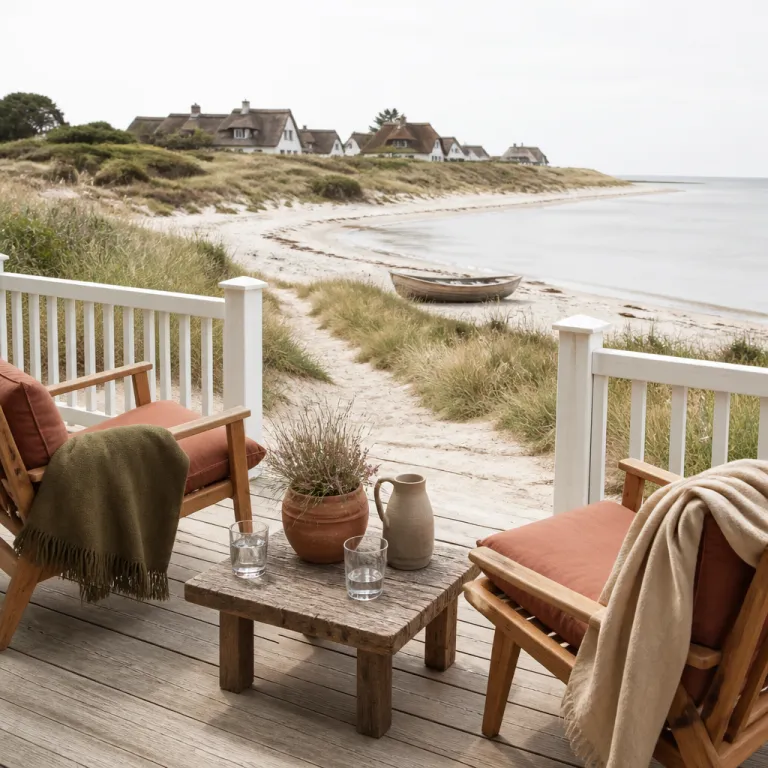
Why lesser known Danish islands hotels feel like true luxury
On the quieter edges of Denmark, luxury starts with silence. When you step off the ferry onto a small Danish island, the absence of crowds, traffic and neon signage immediately reframes what a premium stay can be. These lesser known Danish islands hotels trade spectacle for space, and that is precisely why they suit couples who value time together over lobby theatrics.
Across more than 400 islands, Denmark offers a spectrum of atmospheres, yet tourism still concentrates on a handful of names such as Bornholm and the city Copenhagen, leaving many islands Denmark with just a few carefully run properties. For discerning guests, that scarcity is not a drawback but a filter, because every island Denmark with only one or two high quality accommodation options forces owners to obsess over details like linen, breakfast and local partnerships. When you book one of these lesser known Danish islands hotels, you are often staying in a family run house where the owner will remember how you take your coffee and which sandy beaches you preferred yesterday.
Luxury travelers used to the capital city might ask why they should leave Copenhagen or Aarhus at all. The answer lies in how isolation heightens every sense, from the smell of the Baltic Sea at sunrise to the taste of freshly churned ice cream eaten on a green island pier. A well planned trip that combines a few nights in the city Copenhagen with a quiet holiday island stay on Samsø or Læsø will offer a rhythm that no single city hotel can match.
Samsø: renewable energy island with quietly confident hotels
Samsø sits in the Kattegat as a Danish island of 112 km², with just over 3,700 residents and a reputation for being Denmark’s renewable energy island. Ferries from Kalundborg on Zealand or Hou in Jutland keep the logistics simple, yet the crossing is long enough that your everyday life feels comfortably distant by the time you arrive. For couples planning a holiday, that short separation by water is the first signal that this island known for sustainability will also protect your privacy.
On Samsø you will find a small cluster of lesser known Danish islands hotels, intimate inns and renovated farm stays rather than large resorts, and this scale suits the landscape. Many properties sit within cycling distance of beaches, farm shops and the main town, so you can read on a terrace in the morning and still reach a waterfront restaurant by sunset without ever starting a car. Local tourism boards such as VisitSamsø advise visitors to book ferries in advance, rent bicycles for island exploration and try local specialties like Samsø potatoes, and following that guidance turns a simple visit into a layered trip.
For travelers who already appreciate the intimate charm of the Danish kro tradition, these Samsø stays feel like a coastal extension of that culture, and you can deepen that context through a piece on why the Danish kro tradition is luxury travel’s best kept secret. Many Samsø hosts, including places like Ballen Badehotel and Brundby Hotel, will offer curated dinners built around seasonal vegetables and local seafood, which makes even a short weekend feel like a focused culinary holiday. Nature lovers who choose a September stay will often have long stretches of beautiful beaches almost to themselves, while June and July bring more cafés, ice cream kiosks and gentle activity without ever tipping into mass tourism.
Læsø: salt, sea light and rarefied seclusion
Læsø, the largest island in the Kattegat, covers around 101 km² and holds fewer than 2,000 residents, which means space is the default setting. The ferry from Frederikshavn takes you away from mainland routines and into a world where traditional sea salt production, wide beaches and low slung houses define the horizon. For couples seeking lesser known Danish islands hotels, this Danish island offers a rare combination of cultural depth and near total quiet.
Here, accommodation options range from small hotels to holiday homes and discreet holiday apartments, many of them within cycling distance of the island’s salt works and the main town. A stay on Læsø is less about spa menus and more about the luxury of time, as you walk along sandy beaches that feel almost private, then sit with a book while the Baltic Sea light shifts across the afternoon. When you read about more established island escapes such as Bornholm, Fanø or Ærø in guides like the Danish islands where small hotels outshine big resorts, Læsø stands apart as a place where the absence of crowds is still guaranteed.
For nature lovers, the appeal lies in the island’s mix of heathland, forest and shoreline, which turns even a short visit into a restorative holiday. Many of the lesser known Danish islands hotels on Læsø, including properties such as Læsø Strand and Hotel Havnebakken, will offer bicycles or can arrange local guides, so you can explore salt meadows in the morning and end the day with ice cream in the harbour without ever checking a timetable. Couples who value seclusion over nightlife will find that this island Denmark is worth a visit precisely because it feels like a private world, yet still delivers the comfort and service expected from a premium stay.
Beyond Samsø and Læsø: micro escapes on Denmark’s quiet islands
While Samsø and Læsø anchor many conversations about sustainable and secluded travel in Denmark, they are only part of a wider archipelago of possibilities. Smaller islands Denmark such as Fur in the Limfjord or Mandø in the Wadden Sea offer even more radical versions of escape, with just a handful of accommodation options and landscapes that feel almost cinematic. These places suit couples who see a trip as an expedition rather than a checklist of sights.
Fur is known for its geological formations and diatomite cliffs, which rise above the water in sculptural layers that reward slow walks and careful photography. Here, lesser known Danish islands hotels often take the form of converted farmhouses or compact guesthouses, where owners will offer local beer, simple but thoughtful breakfasts and advice on the best viewpoints for sunset over the Baltic Sea connected waters. Mandø, by contrast, is a tidal island Denmark accessible only at low tide, and the very act of timing your arrival with the sea turns a standard holiday into a story you will retell.
On both islands, you will find that the line between holiday homes, small inns and private residences is thin, which creates a feeling of being hosted rather than processed. Couples who usually stay in design forward city hotels might initially hesitate, yet many report that one night on a green island with only birds and distant waves for company recalibrates their sense of what feels luxurious. For those who still want an urban counterpoint, pairing these micro escapes with a few nights in Copenhagen or Aarhus creates a balanced itinerary that honours both city energy and island calm.
Designing a multi island itinerary from Copenhagen and Aarhus
Planning a circuit of lesser known Danish islands hotels starts not on the water but in the cities, because most routes naturally flow through Copenhagen or Aarhus. International arrivals land in the capital city, and many couples choose to spend a night or two in the city Copenhagen before heading out to an island Denmark by car and ferry. This pause lets you adjust to local rhythm, enjoy a final urban dinner and refine your holiday route with the help of hotel concierges who know the islands well.
From Copenhagen, you can drive to Kalundborg for Samsø or head south towards Lolland Falster if you plan to combine a green island stay with time on the larger southern isles. Travelers starting in Aarhus will find easy access to Hou for Samsø and good connections north towards Frederikshavn for Læsø, which makes it possible to design a loop that includes both islands and a mainland city. If you prefer to anchor your urban time in a property that understands design conscious business and leisure travel, guides such as this overview of Copenhagen hotels for travelers who refuse to compromise on design can help you choose a base.
Once you leave the city, the key is to keep distances modest and nights unhurried, so each island visit feels like a complete chapter rather than a rushed detour. Many couples choose a pattern of two nights in Copenhagen, three on Samsø, two on Læsø and a final night back in the city, which balances ferry schedules with the desire to unpack properly in each place. Whatever route you choose, you will find that the contrast between urban energy and island quiet is what makes a Danish holiday feel layered, rather than linear.
What to expect from accommodation, service and seasonality
On these quieter shores, luxury is less about marble lobbies and more about how a host anticipates your needs before you ask. Many lesser known Danish islands hotels operate with small teams, yet they will offer thoughtful touches such as pre stocked fridges, curated wine lists and locally made bathroom products. You will find that the best properties treat every stay as a bespoke holiday, even when the room count is modest.
Seasonality shapes both availability and atmosphere, so timing your visit matters as much as choosing the right island. Summer brings longer days, more open cafés and easier ferry connections, which suits travelers who like to combine beach walks with restaurant dinners and late evening ice cream on the harbour. Early autumn, by contrast, gives nature lovers quieter paths, softer light over beautiful beaches and a sense that the island is returning to itself after the main holiday rush.
Across Samsø, Læsø and the smaller islands Denmark, accommodation types range from classic hotels to holiday homes and well designed holiday apartments, each appealing to different styles of trip. Couples who value privacy often choose a stand alone house near sandy beaches, while others prefer the social rhythm of a small hotel where you can read in a shared lounge and chat with other guests about which town or beach is worth a visit next. Whatever you choose, the consistent thread is a closeness to landscape that city hotels, even in Copenhagen or Aarhus, simply cannot replicate.
Key figures for Samsø, Læsø and Denmark’s quiet islands
- Denmark counts more than 400 named islands, yet tourism still focuses on fewer than a dozen, which leaves many Danish island destinations with only a handful of high quality places to stay (source: VisitDenmark, national tourism data at visitdenmark.com).
- Samsø covers around 112 km² with approximately 3,724 residents, creating a low density environment where even peak season still feels spacious compared with the capital city or larger holiday island hubs (source: Statistics Denmark, statbank.dk).
- Læsø spans roughly 101 km² and has about 1,719 residents, which means guest capacity remains naturally limited and supports a calm, uncrowded experience for visitors (source: Statistics Denmark population figures).
- Ferries from Kalundborg or Hou to Samsø and from Frederikshavn to Læsø run year round, but frequencies increase in summer, making June to August the most flexible months for multi island itineraries (source: regional ferry operators including Samsø Rederi and Læsøfærgen).
- National tourism surveys show growing interest in sustainable travel and local food experiences across Denmark, trends that align directly with Samsø’s renewable energy model and Læsø’s traditional salt production heritage (source: VisitDenmark trend reports on responsible tourism).
FAQ: planning a luxury escape to lesser known Danish islands hotels
How do I get to Samsø for a short holiday?
Access to Samsø is by ferry from Kalundborg on Zealand or Hou in Jutland, with crossings that typically take between one and two hours depending on the route. Services run year round, but schedules are more frequent in summer, so it is wise to book both your car space and accommodation well in advance for peak months. Once on the island, many visitors rely on bicycles and local buses rather than driving everywhere.
What is Læsø best known for among travelers?
Læsø is widely recognised for its traditional sea salt production, long beaches and low key atmosphere that appeals to nature lovers and couples seeking quiet. The island’s salt works, historic houses and open landscapes create a strong sense of place that feels distinct from more developed holiday islands. Many guests combine visits to the salt facilities with walks along the coast and relaxed evenings in small restaurants or hotel lounges.
Are there good accommodation options on Samsø and Læsø?
Both islands offer a mix of small hotels, guesthouses, holiday homes and holiday apartments, with standards that generally align with the wider Danish focus on design and comfort. You will find that room counts are modest, which supports a calm atmosphere but also means the best places can sell out quickly in summer. For a luxury leaning stay, look for properties that emphasise local food, generous breakfast service and easy access to beaches or walking paths.
When is the best time to visit these lesser known Danish islands?
June to August offers the warmest weather, the longest days and the most frequent ferry connections, which suits travelers who want open cafés, ice cream stands and lively harbours. September is ideal for couples who prefer quieter paths, softer light and slightly cooler temperatures, while still enjoying comfortable conditions for walking and cycling. Winter stays are possible and can feel very atmospheric, but services are reduced and require more careful planning.
How do these islands compare with more famous places like Bornholm or Funen?
Bornholm and parts of Funen have well developed tourism infrastructure, with more hotels, restaurants and cultural attractions concentrated in each town, which suits travelers who like variety at their doorstep. Samsø, Læsø and smaller islands Denmark offer fewer options but more space, making them better for couples who value seclusion, nature and slow days by the Baltic Sea. Many visitors choose to combine a stay on a beautiful island such as Bornholm with time on a quieter green island, creating a holiday that balances activity and rest.