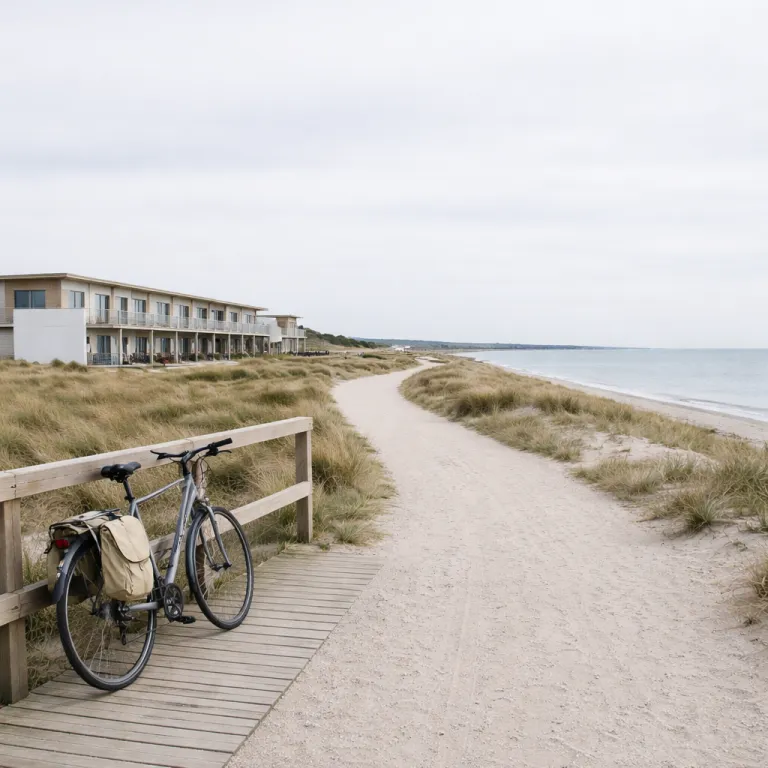
Why cycling hotels in Denmark suit design lovers on two wheels
Denmark is built for the cycle, and luxury travelers who ride quickly realise that the right hotel can shape the entire holiday. In a country where cycling routes thread through every coastal area and forest, the most interesting properties now treat the cyclist as a valued guest rather than an afterthought, turning a simple bike trip into a quietly indulgent cycling holiday. When you plan your time around both the ride and the check in, cycling hotels in Denmark become less about gear storage and more about how Danish hospitality understands movement, rest and style.
Across Denmark, the best accommodation for riders blends discreet service with practical, cyclist-friendly details that never shout about being sporty. You might arrive at a hotel cycling along a gentle cycle route, hand over your bike for secure storage, then head straight to a calm spa or a dining room serving seasonal Danish dishes sourced from the surrounding area. This balance matters for solo travelers from Copenhagen or elsewhere in Denmark who want cycling trips that feel like grown up holidays, not endurance tests, and who expect attentive staff to anticipate needs before they have to ask.
Several properties now hold Bed+Bike or Cycling Denmark certifications, which signal that a place is genuinely cycle-friendly rather than using the term loosely. Danhostel Ribe, for example, offers cycling-friendly accommodation with rentals and repair kits, while Munkebjerg Hotel and Hotel Falster both build hotel cycling stays around secure bike storage and thoughtful meals tailored to riders’ days. These are not the only cyclist-friendly addresses in Denmark, but they illustrate how a well run hotel will readily adapt breakfast times, share route notes and provide low key travel advice so that every day on the bike feels effortless.
Copenhagen to the Danish Riviera: coastal rides and cultured stays
The most elegant way to understand Denmark cycling culture is to ride out of Copenhagen along the Øresund coast, then check into a sequence of cycle-friendly hotels that treat the sea as their front yard. This coastal cycling route towards the Danish Riviera is gentle enough for a relaxed cycling holiday yet rich in architecture, galleries and shoreline cafés, which means every day feels like a curated city break stretched into a longer holiday. For solo riders, the combination of safe cycling routes, frequent train connections and refined accommodation makes this corridor one of the most rewarding Denmark holidays you can plan.
Leaving Copenhagen, follow the signed cycle route north through Hellerup and Klampenborg, where wide bike lanes and clear route notes keep the travel stress free. Many cyclist-friendly hotels in this area offer friendly accommodation with secure bike rooms, early breakfast and same day laundry, so you can ride light and still arrive at dinner looking composed rather than windblown. As you approach Helsingør, plan a visit to Frederiksborg Castle in nearby Hillerød, combining a short train hop of around 40 minutes with a scenic cycle, then return to a hotel cycling stay on the coast where the staff can arrange spa treatments or a late check out.
On this stretch of the Danish Riviera, look for properties that understand the rhythm of cycling holidays rather than simply tolerating bikes in the lobby. A good cycle-friendly hotel will offer route notes for alternative cycling trips inland, suggest quiet back roads for your next day and share practical travel health tips for changing weather along the sea. When you book, contact the property directly to ask about bike storage, repair kits and any privacy policy or sign terms related to sports equipment, because the most professional teams in Denmark treat these questions as part of normal pre arrival planning, not as special requests.
Some of the most characterful stays along this coast are traditional Danish inns that have evolved into refined, cyclist-friendly retreats, and you can read more about this style of property in our guide to the Danish kro tradition in luxury travel. These historic addresses often sit directly on a quiet cycle route, allowing you to roll in from a day of cycling, park your bike in a sheltered courtyard and move straight to a candlelit dining room without ever feeling like the sporty guest in a leisure hotel. For many riders, this blend of heritage, design and genuinely friendly accommodation defines the appeal of cycling hotels in Denmark more than any list of amenities.
Jutland peninsula and the west coast: wild dunes, long views and quiet hotels
For travelers who prefer big skies and fewer people, the Jutland Peninsula offers a different expression of cycling holidays, with long cycling routes that trace the North Sea coast and cut inland through heathland and dunes. Here, the best cycle-friendly hotels feel almost like modern refuges, giving you a calm base after a day of riding into the wind along a remote cycle route where the only company might be seabirds and the occasional lighthouse. This is where cycling hotels in Denmark prove their worth, because the distance between towns can be significant and you want accommodation that understands both comfort and logistics.
Properties such as Munkebjerg Hotel near Vejle and Danhostel Ribe in the historic town of Ribe show how different styles of friendly accommodation can still serve the same cyclist-friendly purpose. Munkebjerg leans into the classic Danish forest hotel atmosphere with spa facilities and secure bike storage, while Danhostel Ribe focuses on practical bike rentals, repair kits and simple, social spaces that work well for solo travelers on longer cycling trips. Both sit within reach of established cycling routes, and both understand that a rider arriving after a long day needs flexible meal times, clear travel advice and staff who will willingly help with small repairs or route notes for the next stage.
Along the west coast, many hotels and guesthouses now integrate cycling into their identity, often partnering with local tourism boards and Cycling Denmark to promote sustainable travel. When you plan a cycling holiday here, look for hotel cycling packages that include luggage transfers, packed lunches and access to laundry, because these details can transform a tough holiday into a deeply restorative one. Our region by region overview of where to stay in Denmark highlights several properties on the Jutland Peninsula that combine strong design with a genuinely cycle-friendly approach, making them ideal bases for multi day cycling trips.
Many riders pair this region with other parts of Denmark using the rail network, taking a train with their bike from Copenhagen to Jutland in roughly three hours to save time and energy for the most scenic cycling routes. Hotels that understand this pattern will often provide early check in or secure luggage rooms, allowing you to transition smoothly from train travel to the first day on the bike. Before you go, check each property’s privacy policy and sign terms regarding bike storage and sports equipment, then contact the front desk with any specific travel health questions about wind exposure, sun protection or seasonal conditions along the North Sea.
Island circuits and hidden gems: Ærø, Bornholm and coastal detours
Some of the most memorable cycling holidays in Denmark unfold on its islands, where short distances, gentle terrain and frequent ferries create natural loops for a multi day cycling holiday. Ærø, with its cobbled streets and pastel houses, is a perfect example, and Andelen Guesthouse in Ærøskøbing has become a favourite among cyclists seeking friendly accommodation that feels personal yet quietly polished. Here, the cycle-friendly approach is woven into daily life, from secure bike storage in the courtyard to flexible breakfast times that match your chosen cycle route for the day.
Bornholm, further out in the Baltic, offers a more dramatic landscape with cliffs, forests and sandy beaches linked by well maintained cycling routes that suit both leisurely cycling trips and more ambitious days. Many hotels on the island now market themselves as cyclist-friendly, but the most interesting options go beyond basic storage to offer detailed route notes, on site repair kits and staff who will readily share local travel advice about hidden swimming spots or farm shops along your route. When you book, contact the property to ask whether they can arrange bike rentals, luggage transfers or even a late check out on your final holiday day, because these touches can make a solo cycling holiday feel quietly luxurious.
Across these islands, the best cycling hotels in Denmark share a few traits that matter more than any design trend. They treat the bike as a natural part of your travel identity, not as an awkward object to hide, and they understand that a cyclist may arrive early, hungry and slightly weather beaten after a long cycle, expecting both warmth and efficiency. For more inspiration on pairing island rides with refined stays at different times of the year, explore our guide to elegant off season vacation destinations for Danish travelers, which includes several regions that work beautifully for low key cycling holidays.
Hotel Falster on Falster island is another useful reference point, combining straightforward hotel cycling packages with hearty meals and easy access to flat, coastal cycling routes that suit a relaxed holiday pace. Solo travelers often appreciate how such properties balance privacy with a friendly atmosphere, allowing you to share route notes with other guests over breakfast and then spend the rest of the day entirely on your own schedule. Whether you choose Ærø, Bornholm or Falster, the key is to align your accommodation with the kind of cycling holiday you want, from slow, café dotted days to longer, more athletic rides that still end in a well made bed and a thoughtfully lit dining room.
How to choose a genuinely cycle friendly luxury hotel in Denmark
Selecting the right cycling hotels in Denmark starts with a clear sense of how you like to travel, because the needs of a rider covering 40 kilometres a day differ from someone planning back to back 100 kilometre cycling trips. At the luxury and premium end of the market, the best hotel will quietly integrate cyclist-friendly services into its core offer, so you never feel like you are asking for special treatment when you request early breakfast or a place to dry wet gear. When you research, look beyond marketing language and focus on concrete details that show the accommodation is truly cycle-friendly rather than simply bike tolerant.
First, check whether the property has secure indoor bike storage, ideally with individual locking points and easy access from the street, because this shapes how relaxed you feel each time you return from a day on the bike. Next, ask about practicalities such as same day laundry, flexible meal times and the availability of basic repair kits, since these can turn a good cycling holiday into a great one by removing small frictions from each day. Many of the most cyclist-friendly hotels in Denmark also provide printed or digital route notes, curated cycle route suggestions and on the spot travel advice about weather, traffic and local etiquette, which is particularly valuable for solo riders.
Several Danish hotel groups now build dedicated hotel cycling packages that include bike rentals, luggage transfers and even guided rides, and Sinatur Hotels is a notable example with its focus on nature based stays and local cycling routes. Danhostel Ribe, Munkebjerg Hotel, Sinatur Hotels, Andelen Guesthouse and Hotel Falster all illustrate how different styles of accommodation can still meet the same cyclist-friendly standards through secure storage, rentals and guidance. As one practical summary puts it, “Check for Bed+Bike certification., Inquire about bike rentals in advance., Explore local cycling routes., Utilize provided repair kits., Secure bikes in designated storage.”
Before you confirm any booking, read the property’s privacy policy and sign terms carefully, especially if you plan to store an expensive bike or ship equipment ahead of your arrival. It is also wise to review official travel health and travel advice resources for Denmark, paying attention to seasonal conditions, daylight hours and any recommendations about sun, wind or rain exposure during long days of cycling. Finally, contact the hotel directly with a short list of questions about bike storage, early breakfast and route support, because the tone and speed of their reply will tell you almost as much about their approach to friendly accommodation as any glossy photograph on the website.
Planning your cycling holiday: timing, logistics and mixed itineraries
Once you have a shortlist of cycling hotels in Denmark, the next step is to design an itinerary that respects both your fitness and your appetite for slow travel. Denmark’s relatively flat terrain and dense network of cycling routes make it tempting to over plan, but the most satisfying cycling holidays usually leave space for unplanned café stops, detours to a quiet beach or an extra day in a hotel that feels particularly right. Think of the bike as your way to earn each evening’s check in, not as a test of endurance, and you will return from your holiday more rested than when you left.
For many riders, the ideal structure is a series of two or three night stays in cycle-friendly hotels linked by 40 to 70 kilometre stages, which allows time for both riding and exploring each area on foot. Mixed itineraries that combine train and bike work especially well in Denmark, because the national rail network is set up to carry bikes and connects Copenhagen with the Jutland Peninsula, the Danish Riviera and several ferry ports for the islands. This approach lets you focus your cycling trips on the most scenic stretches while still experiencing a broad cross section of Denmark’s landscapes and hotel styles in a single holiday.
Logistics matter, but they do not need to be complicated if you plan ahead and communicate clearly with each hotel. Decide whether you will bring your own bike, rent locally or arrange a high quality rental through a hotel cycling package, then confirm details such as frame size, pedals and pick up times well before your first day. If you are travelling solo, consider scheduling an occasional rest day in a particularly comfortable, cyclist-friendly hotel, where you can catch up on laundry, review route notes, adjust your cycle route for the remaining days and simply enjoy the quiet luxury of having nowhere to be.
Throughout the planning process, keep an eye on official travel health guidance for Denmark, especially if you are not used to spending several hours a day outside in variable northern weather. Pack layers, rain protection and good lights even in high summer, because coastal areas and the Jutland Peninsula can change character quickly with the wind, and a well prepared cyclist is a more relaxed guest at the end of the day. Above all, remember that the most rewarding cycling routes are often the ones that lead you back to a hotel where the staff will be glad to see you roll in, hand you a key and make space for both your bike and your stories from the road.
FAQ about cycling friendly hotels in Denmark
What is Bed+Bike certification and why does it matter for cyclists ?
Bed+Bike is a formal label for cyclist-friendly accommodation in Denmark that meet specific criteria such as secure bike storage, basic repair tools and flexible meal times. Choosing a Bed+Bike certified hotel or hostel increases the likelihood that your needs as a cyclist will be understood and met without fuss. For riders planning multi day cycling holidays, this certification provides a useful baseline when comparing different properties across the country.
Do cycling friendly hotels in Denmark usually offer bike rentals ?
Many cyclist-friendly hotels and hostels in Denmark either rent bikes directly or work closely with local rental partners. Properties such as Danhostel Ribe and Hotel Falster explicitly integrate rentals into their offer, making it easy to start a cycling holiday without bringing your own bike. Always contact the hotel in advance to confirm availability, quality and any route notes or travel advice they provide with the rental.
Can I store my bike securely at Danish hotels when I travel with my own ?
Secure storage is a core feature of most cycling hotels in Denmark, especially those with Bed+Bike or Cycling Denmark recognition. Look for indoor bike rooms with locking points, limited access and clear sign terms about liability, then ask the hotel to describe the facilities before you book. When you arrive, check that the storage matches the description and do not hesitate to request an alternative solution if you feel your bike is not adequately protected.
Do cycling focused accommodations in Denmark provide repair kits and route information ?
Many cyclist-friendly properties keep basic repair kits on hand, including pumps, tools and spare tubes, and some also maintain partnerships with local bike shops for more complex work. It is common for reception teams to offer printed maps or digital route notes for nearby cycling routes, often tailored to different fitness levels and interests. If detailed guidance matters to you, prioritise hotels that mention route support explicitly in their descriptions or in direct communication.
Are guided cycling tours available through Danish hotels or only via tour operators ?
Guided cycling trips are available both through specialist tour operators and, in some cases, directly via hotels that collaborate with local guides. Sinatur Hotels and other nature focused groups sometimes organise guided rides as part of broader hotel cycling packages, especially in scenic rural areas. When you plan your holiday, ask each property whether they can arrange a guided day, as this can be an efficient way to gain local insight while still enjoying the independence of a self planned trip.