Why danish design hotels architecture is built for lingering, not scrolling
Danish design grew from a culture that values use before show. In the Danish capital, every serious hotel treats architecture as a hospitality tool, not a backdrop for a quick social media post. The most interesting hotels in Denmark now apply a simple breakfast table test to their interiors.
Is this room quietly inviting you to stay an extra hour, or pushing you back out into the city with a clever photo and a fast checkout? That question defines the new generation of Danish design hotel architecture, where every building detail, from oak floorboards to wool upholstery, is calibrated for real travel lives. In Copenhagen, the best properties understand that a business leisure guest will read emails, host a meeting and unwind in the same room.
This is where Danish furniture traditions and contemporary architecture merge into a single hospitality language. You feel it in the way a hotel Copenhagen lobby softens sound with textiles, or how a Copenhagen hotel bar uses low lighting to slow your breathing. The most successful hotels Denmark wide now treat interior design choices as seriously as service standards.
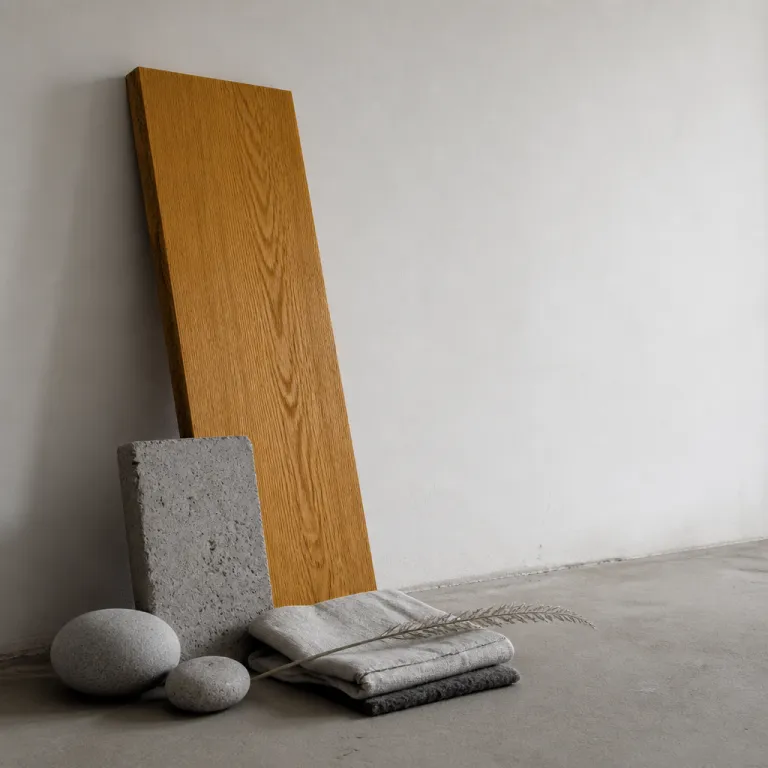
Across the Danish capital, architects are leaning into materials rather than decoration. Oak, wool, brass, concrete and terrazzo define a palette that feels both Nordic and global, and these architectural details age gracefully rather than chasing trends. For a frequent traveler, that restraint makes a hotel room feel like a long term house rather than a themed set.
The Copenhagen Architecture Festival (CAFx) has captured this mood with recent editions themed around slowing down and sustainable architecture. As the organizers put it, “The theme is 'Slow Down', focusing on sustainable architecture.” That same philosophy now shapes how leading design hotels in Denmark think about every room, corridor and shared table.
The breakfast table test: where danish design meets business leisure reality
For business leisure travelers, the most important piece of architecture is often not the lobby. It is the breakfast table where you open a laptop, skim a hotel read of overnight news and quietly plan the day in Copenhagen. In the best Danish design hotel interiors, that table is cleverly designed to hold both a plate of rye bread and a full work session.
Look at the new generation of hotels Denmark wide that treat the breakfast room as a flexible Nordic living space. Chairs are upright enough for typing yet soft enough for lingering, and lighting is warm but bright enough to read documents or search travel options. When a design hotel gets this balance right, you stay for a second coffee and end up reshaping your schedule around the room.
In Copenhagen, properties like Four Suites show how apartment style layouts can support this rhythm. Each room feels like a small city house, with a dining table that doubles as a workstation and architectural details that keep clutter out of sight. This is Danish design at its most practical, turning every square metre into a calm, multiuse space.
Families extending a work trip will notice the same priorities in carefully curated stays. Our guide to family stays that design conscious parents will actually enjoy highlights how interior choices can keep both children and executives comfortable. These hotels in Denmark use architecture design to add quiet zones, generous rooms and intuitive circulation so everyone can move at their own pace.
Lighting design is the quiet star of this story across the Danish capital. Instead of harsh downlights, you find layered lamps that frame the room, soften screens and make early starts feel less brutal. In a well considered hotel Copenhagen dining space, you can read a contract, enjoy a pastry and still feel like you are on a Nordic island retreat.
Adaptive reuse: from postal counters to five star suites
Some of the most compelling Danish design hotels architecture does not start from a blank site. It begins with a stubborn old building in the city, a former postal office or cinema whose bones refuse to be erased. Architects in Copenhagen Denmark are learning that adaptive reuse can create atmosphere that no new build hotel can match.
These projects respect the original architecture while quietly upgrading every room for contemporary travel. High ceilings, thick walls and generous staircases become assets, and design interior teams add modern layers without smothering the past. For business leisure guests, that means staying in hotels Denmark wide that feel rooted in local stories rather than generic luxury.
Our feature on adaptive reuse reshaping Danish hospitality tracks how former civic buildings are turning into refined hotels. In Copenhagen, you might sleep in a room that once housed sorting machines, now softened by Danish design furniture and warm oak floors. The architectural details of the original structure guide everything from corridor layouts to window seats.
Outside the Danish capital, coastal towns and island communities are following suit. A former merchant house in a small city can become a design hotel that anchors local life, with a restaurant that draws residents as much as travelers. This approach to architecture design keeps embodied carbon low while giving each hotel a distinct narrative.
Even large international names are learning from this slow architecture movement. When a Radisson Collection property or a Royal Hotel level brand moves into an existing building, the smartest teams now preserve patina rather than polishing it away. As Danish architect Dorte Mandrup has noted in interviews about local projects, “time is a material too,” and the best conversions let that material stay visible.
Icons and experiments: from Arne Jacobsen to underground art worlds
No conversation about Danish design hotels architecture is complete without Arne Jacobsen. His work at the Radisson Collection Royal Hotel in Copenhagen, completed in 1960, remains a pilgrimage site, especially the legendary Room 606. Business travelers still book this single room to read the story of modern Nordic design in three dimensions.
The building itself, often simply called the Royal Hotel, was Denmark’s first true design hotel and still shapes how architects think about hospitality. Every room was conceived as part of a total work of art, from the façade to the cutlery, and that holistic approach echoes in today’s best hotels Denmark wide. When you stay in a contemporary Copenhagen hotel that feels effortlessly coherent, you are feeling Jacobsen’s legacy.
New projects are pushing Danish design into more experimental territory while keeping that functional core. Schmidt Hammer Lassen’s underground expansion for the ARoS art museum in Aarhus, known as The Next Level, shows how architecture can disappear into the landscape while adding dramatic interior volumes. The Turrell Dome, covered in earth to form a public park, hints at how future hotel buildings in Denmark might merge with the terrain rather than dominate it.
In Copenhagen Denmark, Park Lane Copenhagen in Hellerup offers another kind of experiment. Redesigned by &TEMPEL studio, this coastal property preserves its historic house character while refining every room for contemporary expectations. The interior design choices here feel quietly royal, more about tactility and light than about overt star statements.
Across the Danish capital, architects are also learning from the Copenhagen Architecture Festival’s focus on slowness. CAFx, the organization behind the event, encourages practices that respect time, context and material honesty in every building. That mindset is now visible in how new hotels handle circulation, acoustic comfort and the subtle architecture design of shared spaces.
Locke at Postbyen and the new urban living room
Locke at Postbyen, near Copenhagen Central Station, signals how international brands are adapting to Danish design expectations. Designed by A-nrd studio, the property occupies twin rotunda towers with monolithic concrete cylinders and terrazzo floors. Floor to ceiling windows flood the rooms with Nordic light, turning each hotel room into a calm observatory over the city.
This is Danish design hotels architecture tuned for long stays and hybrid lives. The 234 rooms are planned more like compact apartments than classic hotel units, with kitchenettes, generous tables and cleverly designed storage. For a business leisure traveler, that means you can add a workout, a video call and a quiet dinner at home to a single evening without leaving the building.
Public areas at Locke function as an urban living room for Copenhagen Denmark. You see locals using the café as a third space, and guests treating the lobby as an informal office, and that mix gives the architecture real purpose. The interior language is restrained but warm, with concrete softened by textiles, plants and carefully tuned lighting.
From a booking perspective, this kind of property changes how you search for a hotel in the Danish capital. Instead of filtering only by star rating, you start to read floor plans, look for architectural details and check whether the privacy policy clearly explains how guest data supports personalized stays. On platforms like mydenmarkstay.com, the most engaged readers now ask about design architecture as much as about spa facilities.
For Denmark as a whole, projects like Locke, Park Lane and Four Suites form an informal collection of case studies. They show how hotels Denmark wide can use architecture design to slow guests down, deepen their relationship with the city and quietly extend each stay. In a market where travel is increasingly transactional, that is a quietly radical move.
How to choose danish design hotels architecture that matches your rhythm
For travelers using mydenmarkstay.com as a planning tool, the first step is to decide how you actually live on the road. If your days in Copenhagen Denmark are packed with meetings, you need a hotel room that works as a small, efficient house. Look for Danish design properties where the desk, dining table and lounge chair form a single, flexible composition.
When you search for hotels in the Danish capital, pay attention to the building story as much as the amenities list. Is this a new build in a fast changing city district, or a converted merchant house on a quieter island of calm? Adaptive reuse often brings richer architectural details, while new builds can offer better acoustic performance and more consistent rooms.
Lighting should be a deciding factor, especially if you work across time zones. A well considered interior scheme will let you dim the room for late night calls, brighten it for early morning reading and still feel comfortable at every setting. In our reviews, we treat lighting as seriously as mattress quality because it shapes how long you want to stay in a space.
Privacy also matters more than many guests admit. Before you book, read the hotel privacy policy to understand how your preferences are stored and used, and whether room controls are app based or physical. The most thoughtful hotels Denmark wide now balance smart technology with intuitive, tactile switches that align with Danish design values.
Finally, trust your own version of the breakfast table test. If photos show a room where you can comfortably read, work and share a meal without rearranging furniture, that is usually a good sign. In a landscape where Danish design hotel architecture has become a global reference, the properties that truly stand out are the ones that quietly help you slow down.
FAQ
What defines danish design in contemporary Danish hotels
Danish design in hotels focuses on function, honest materials and calm proportions rather than decoration. You will see oak, wool, brass, concrete and terrazzo used in ways that feel both Nordic and timeless. Spaces are planned so that every room supports real daily routines, from work to rest.
How is the Copenhagen Architecture Biennial influencing hotel projects
The Copenhagen Architecture Biennial, organized by CAFx, promotes slower, more sustainable approaches to building. Its theme of slowing down architecture encourages designers to think about long term impact, material durability and social context. Hotel architects in Copenhagen and across Denmark are increasingly aligning with these principles.
Why are adaptive reuse projects so common in Danish hospitality
Adaptive reuse allows hotels to inhabit existing buildings with strong character, such as former postal offices or cinemas. This approach reduces environmental impact by reusing structures while giving guests richer architectural details and stories. In Denmark, many of the most atmospheric hotels now occupy these carefully transformed buildings.
What should business leisure travelers look for in Copenhagen hotels
Business leisure travelers should prioritize rooms that function as small apartments, with good desks, generous tables and comfortable seating. Lighting flexibility, acoustic comfort and intuitive controls are crucial for long working days. Proximity to public transport in Copenhagen also matters, especially near Central Station and key business districts.
How does lighting design set Danish hotels apart from other markets
Danish hotels often use layered, warm lighting instead of harsh overhead spots. This creates spaces where guests can work, read and relax without fatigue, supporting longer stays in the same room. Thoughtful lighting design is now a key differentiator for premium properties across Denmark.