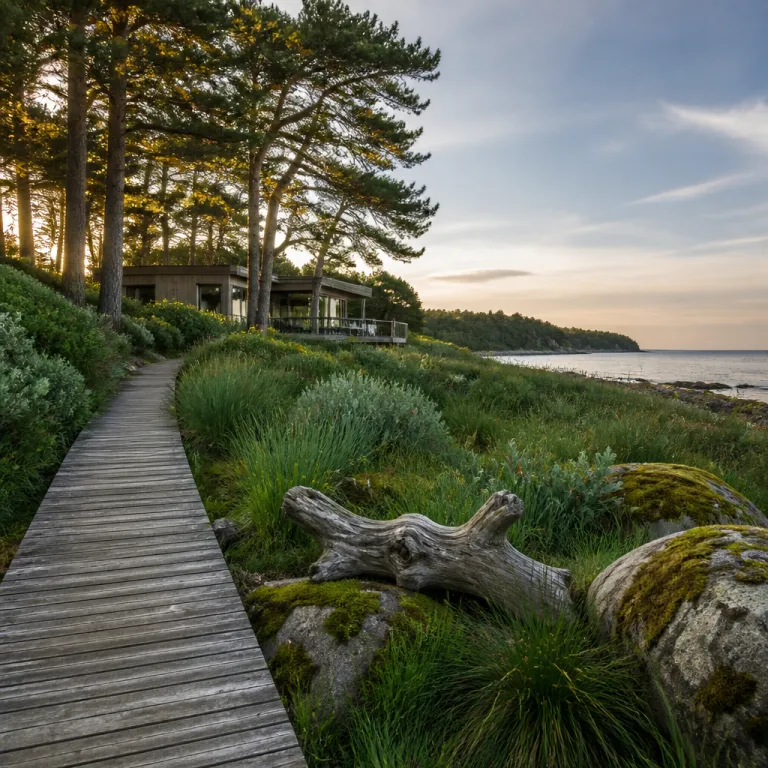
What the Danish Riviera really is: coastal towns, culture and light
The Danish Riviera is the roughly 90 kilometer stretch of North Zealand coast where Copenhagen residents have escaped the city heat for generations. This shoreline runs along the north of Zealand, Denmark, from Helsingør through Hornbæk and Gilleleje to Tisvildeleje, forming a chain of coastal towns that feel quietly glamorous rather than showy. Luxury travelers now look beyond a single seaside hotel and instead read the region as one continuous landscape of dunes, forest and sea views.
What defines the Danish Riviera is not only the beach culture but the density of cultural sites that line North Zealand. Within a short drive you move from Kronborg Castle in Helsingør, to Frederiksborg Castle in Hillerød, to Fredensborg Palace where the Danish royal family spends part of the year. A day might start with a swim at a beautiful sand beach, continue with lunch in a maritime museum café and end with a glass of wine on a hotel terrace while the sky turns silver blue over the Øresund.
Unlike the islands of Bornholm or Fanø, this part of Denmark feels closely wired to Copenhagen’s design and food scenes while still reading as a genuine coastal escape. The hotels north of the capital are used by locals as much as by international guests, which keeps the atmosphere grounded and quietly confident. When you look at old photo archives from Hornbæk or Gilleleje, you see that the same wooden piers, the same seaside hotels and the same soft light have been drawing people here since the nineteenth century, a history documented in regional tourism archives and local museum collections.
From Helsingør to Gilleleje: castles, museums and coastal rhythm
Helsingør is the cultural anchor of the Danish Riviera, and it is where many travelers first understand how closely art, castle culture and maritime history are woven together in North Zealand. Kronborg Castle, immortalized as Hamlet’s setting, rises directly above the harbor, while the Maritime Museum of Denmark is set into a former dry dock with a striking museum modern design. A short walk away, you find relaxed hotels that let you sleep within sight of the Øresund and wake to sea views framed by the castle’s towers.
From Helsingør, the coast bends west toward Hornbæk and Gilleleje, where the rhythm shifts from fortress walls to fishing harbors and long beaches. Gilleleje still feels like a working town, with boats landing fresh catch beside cafés and family friendly ice cream stalls, yet several refined hotels have quietly upgraded the local hospitality scene. This is where the legacy of Knud Rasmussen, the polar explorer who once stayed along this coast, meets a new generation of Danes arriving with design magazines tucked under their arms.
Travelers who usually split their time between Copenhagen and the islands often find that North Zealand offers a more layered itinerary. You can spend the morning at the Louisiana Museum of Modern Art, then follow the shoreline to Gilleleje for a late swim and a seafood dinner in a seaside hotel dining room. For a deeper comparison with the island scene, read this guide to the Danish islands where small hotels outshine big resorts at small hotels on Bornholm, Fanø and Ærø, then decide whether your next stay belongs on the islands or along the Danish Riviera.
CORI Hornbæk and the new language of Danish seaside luxury
Hornbæk sits roughly 50 kilometers north of Copenhagen, and it is here that CORI Hornbæk is set to redefine what danish riviera hotels in North Zealand can be. The hotel has been designed by Afroditi Krassa, whose work often balances sculptural forms with a calm, residential feeling that suits the understated character of this part of Denmark. With a gastronomic program led by chef Brian Mark Hansen, CORI Hornbæk positions itself as a hotel where the breakfast table, the wine list and the sea views matter as much as the designer furniture, a direction confirmed in recent hospitality press releases and design features.
While CORI Hornbæk is new, it joins a lineage of historic seaside hotels that have shaped the Riviera’s identity since the nineteenth century. HeleneKilde Badehotel, perched above the water near Tisvildeleje, remains a reference point for many travelers who want a classic Danish seaside hotel experience with white wooden railings, striped deckchairs and a direct path down to the beach. These hotels north of Copenhagen show how the revival of historic properties can coexist with contemporary design, creating a portfolio of hotels where each seaside hotel has its own personality rather than a standardized template.
For solo travelers, the appeal lies in the way these properties allow you to move between privacy and sociability over the course of a single day. You might read in a quiet corner of the lounge in the morning, join a communal table for a seafood lunch, then slip away to the spa before walking down to the shoreline for Sankt Hans bonfires in late June. If you are planning around the solstice and Denmark’s brightest night, this guide to where to stay for Sankt Hans at Sankt Hans and the solstice stays pairs naturally with a stay at a Danish Riviera hotel.
Art, palaces and museums: culture within a short coastal drive
One of the reasons danish riviera hotels in North Zealand work so well for design conscious travelers is the density of world class cultural institutions within a compact area. The Louisiana Museum of Modern Art, often simply called Louisiana Museum, sits on a bluff in Humlebæk with galleries that open toward sculpture gardens and sea views across the Øresund. Here, modern art and landscape are inseparable, and the museum modern architecture has influenced how many hotels in Zealand Denmark think about light, materials and the relationship between interior spaces and the coast.
Drive inland for less than 30 minutes and you reach Frederiksborg Castle, a Renaissance palace set on small islands in a lake, where museum Denmark exhibitions trace the country’s history through portraits, furniture and religious art. South of here, Fredensborg Palace stands in manicured gardens and remains closely associated with the royal family, who use it as a residence during parts of the year. Between these palaces and Kronborg Castle in Helsingør, you can build an itinerary where each day pairs a cultural heavyweight with a relaxed evening in a seaside hotel, turning the Danish Riviera into a living gallery of architecture and landscape.
For travelers who like to read context into the places they visit, this concentration of castles and museums makes North Zealand unusually rich. You might spend a morning at the Maritime Museum of Denmark, then return to your hotel to edit a photo series from the harbor before heading out for a sunset walk along the beach. Those who want to align their stays with peak cultural and seasonal moments should look at this guide to properties to book before July fills up at peak summer in Denmark hotel picks, then layer in visits to Louisiana Museum, Frederiksborg Castle and Fredensborg Palace around their chosen dates.
Seasonality, light and when to book Danish Riviera hotels
Seasonality shapes the experience of danish riviera hotels in North Zealand more than many first time visitors expect. July and early August bring the warmest water, the fullest beach scenes and the highest demand for seaside hotels, especially in Hornbæk, Gilleleje and Tisvildeleje. If you want the classic Danish beach holiday with long evenings, family friendly ice cream queues and crowded harbor restaurants, this is when the Riviera feels most extroverted.
September and late May, by contrast, suit travelers who prefer quieter hotels and softer light. The sea is cooler but still swimmable for many, and the coastal towns shift from holiday mode to a more local rhythm where you share the promenade with residents walking their dogs rather than day trippers. For solo explorers, this shoulder season often offers the best balance between room rates, restaurant availability and the chance to sit in a hotel lounge with a book while the wind moves across the beach outside.
Winter on the Danish Riviera is not about sunbathing, but it has its own appeal for those who appreciate stark sea views and the feeling of being wrapped in a hotel’s interior world. A walk along the shore near HeleneKilde Badehotel in January, followed by a sauna session and a long dinner, can feel more restorative than a crowded summer terrace. Whatever the season, the key is to book danish riviera hotels in North Zealand early if your dates coincide with school holidays, major events in Helsingør or special exhibitions at Louisiana Museum, because the best rooms with direct sea views tend to go first according to regional booking statistics.
How to combine Copenhagen and the Danish Riviera on one trip
One of the strongest arguments for choosing danish riviera hotels in North Zealand over more remote destinations is how easily they pair with Copenhagen. Direct trains run from Copenhagen Central Station to Helsingør in about 45 minutes, with onward local connections along the coast to Hornbæk and Gilleleje, making it realistic to split a week between a city hotel and a seaside hotel without renting a car. For travelers who prefer to drive, the route north from Copenhagen along Strandvejen is a classic, passing elegant villas, small harbors and several beautiful viewpoints over the Øresund.
A smart strategy is to start with two or three nights in Copenhagen to absorb the city’s food, design and museum scene, then move north to a hotel in Hornbæk or Tisvildeleje for the same length of time. This way, you can visit Louisiana Museum on the transfer day, stopping for lunch and a walk through the sculpture park before checking into your chosen seaside hotel. Many hotels north of the city are used to this pattern and can arrange early check in or luggage storage so you can head straight to the beach or a nearby castle without worrying about logistics.
Compared with Bornholm or Fanø, which require ferries or flights, North Zealand feels almost like Copenhagen’s extended coastline, yet the atmosphere shifts decisively once you arrive. You still have access to serious restaurants, thoughtful wine lists and contemporary art, but the pace slows and the horizon opens. For solo travelers, this combination of urban intensity and coastal calm makes danish riviera hotels in North Zealand an especially compelling base, whether you are tracing the footsteps of Hans Christian Andersen, reflecting on Søren Kierkegaard’s philosophy by the sea or following the light that once drew painters like P. S. Krøyer to Denmark’s shores.
Key figures and travel statistics for the Danish Riviera
- The Danish Riviera covers approximately 90 kilometers of North Zealand coastline, creating a compact region where you can drive from Helsingør to Tisvildeleje in under two hours while still stopping at several beaches and cultural sites along the way (source: VisitNorthSealand and VisitDenmark regional data).
- North Zealand sits roughly 60 kilometers from central Copenhagen, which means travelers can reach many danish riviera hotels in under one hour by car or train, making it one of the most accessible luxury coastal regions in Denmark for short stays (source: VisitNorthSealand and DSB travel times).
- The Danish Riviera emerged as Denmark’s first major beach destination in the nineteenth century, and that long history underpins the current revival of historic seaside hotels that are being carefully restored rather than replaced by large resorts (source: regional tourism archives and local history museums).
- Ongoing investment in cultural tourism, including programming at Louisiana Museum of Modern Art and exhibitions at Frederiksborg Castle, has helped position North Zealand as a year round destination rather than a purely summer beach region (source: official museum Denmark cultural calendars).
- The reopening of CORI Hornbæk as a high end design focused property is expected to strengthen the luxury travel market along the Danish Riviera and contribute to broader economic growth in the coastal towns of North Zealand (source: hospitality industry reports and hotel development announcements).
FAQ about Danish Riviera hotels in North Zealand
What is the Danish Riviera and where is it located ?
The Danish Riviera is a roughly 90 kilometer stretch of coastline along the northern shore of Zealand in Denmark, running through North Zealand from Helsingør toward Gilleleje and Tisvildeleje. It is known for sandy beaches, coastal towns, cultural attractions and a growing collection of luxury and premium hotels. As one reference from VisitDenmark summarizes it, “A 90-kilometer coastal stretch in North Zealand, Denmark, known for its beaches and cultural attractions.”
Why is North Zealand popular among luxury travelers ?
North Zealand attracts luxury travelers because it combines upscale hotels, refined seaside hotels and historic inns with major cultural sites such as Louisiana Museum of Modern Art, Kronborg Castle and Frederiksborg Castle. The region offers sea views, forest walks and access to palaces like Fredensborg Palace, all within easy reach of Copenhagen. This blend of natural beauty, cultural depth and design conscious hospitality makes danish riviera hotels in North Zealand particularly appealing.
Which cultural sites should I prioritize near Danish Riviera hotels ?
Key cultural sites near danish riviera hotels in North Zealand include Kronborg Castle and the Maritime Museum of Denmark in Helsingør, Louisiana Museum of Modern Art in Humlebæk and Frederiksborg Castle in Hillerød. Fredensborg Palace, associated with the Danish royal family, is another important stop, especially for travelers interested in palace architecture and landscaped gardens. Many travelers structure their days around one major museum or castle visit followed by time at the beach or in a seaside hotel lounge.
How does the Danish Riviera compare with Danish islands like Bornholm or Fanø ?
The Danish Riviera in North Zealand is closer to Copenhagen and easier to reach by train or car than islands such as Bornholm or Fanø, which usually require ferries or flights. While the islands offer more remote landscapes and smaller communities, the Riviera balances coastal calm with quick access to modern art museums, castles and a wider range of hotels. For travelers who want both design forward city experiences and relaxed beach time in a single trip, danish riviera hotels in North Zealand often provide the most efficient itinerary.
Is the Danish Riviera suitable for family friendly stays as well as solo travel ?
Many danish riviera hotels in North Zealand are explicitly family friendly, with easy beach access, spacious rooms and relaxed dining that works for children. At the same time, solo travelers appreciate the quiet corners, spa facilities and cultural programming that allow for more introspective stays. Choosing between larger seaside hotels and smaller, more intimate properties lets you calibrate how social or secluded you want your Danish Riviera experience to feel.