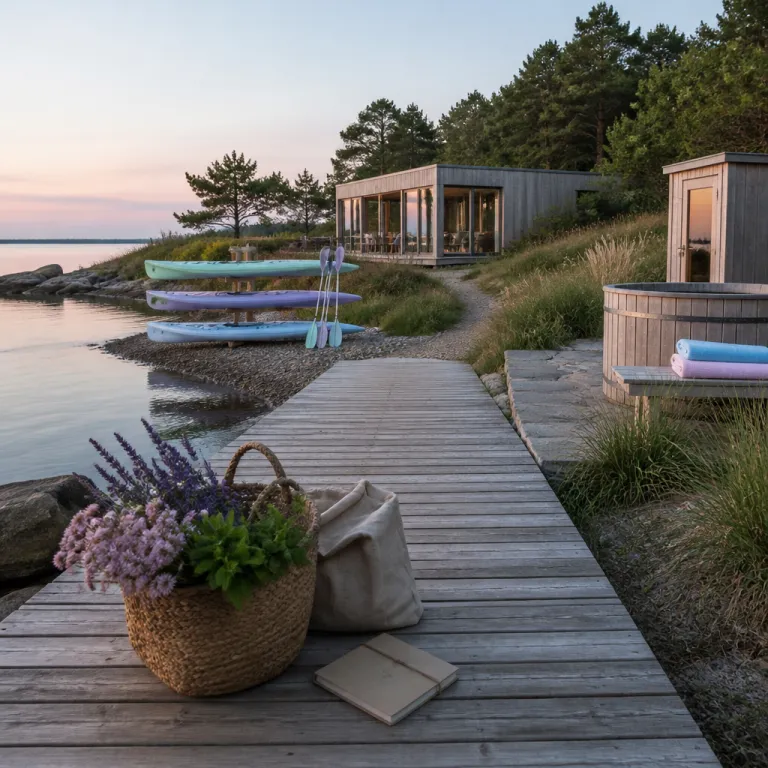
Where outdoor activity hotels in Denmark begin: water, wind and wide skies
Along the coasts of Denmark, a new generation of hotels treats the sea as its main lobby. These outdoor-focused stays build their identity around structured experiences on the water, turning every visit into a curated adventure rather than a passive escape in a quiet country landscape. For couples planning travel focused on movement and immersion in nature, these properties are the best places to stay when you want the shoreline to set the daily rhythm.
On the North Sea and Baltic coasts, you will find seaside hotels that lend kayaks at sunrise, arrange paddleboarding sessions and suggest sheltered coves for coastal swimming. Many of these Denmark hotels now integrate sea kayaking and open-air dips into their wellness programmes, so a cold plunge becomes as central as a massage in the spa rooms. According to VisitDenmark’s 2023 tourism analysis, coastal and nature holidays account for around 40% of international overnight stays, and many coastal resorts now offer year-round sea-swimming clubs and winter-bathing platforms. When you book a stay in these hotels in Denmark, ask how the property uses its waterfront location, because the most thoughtful teams design tide-based itineraries that feel both luxurious and quietly local.
Strandhotel Klitrosen near Slettestrand on the Jammerbugten coast is a good example of how a small, family-owned hotel can offer big horizon experiences. Here, the family behind the hotel works with local guides to arrange sea kayaking, dune hikes and bracing swims, creating a family-friendly atmosphere that still feels refined enough for a romantic stay. Typical guided sea-kayak trips last two to three hours and are graded easy to moderate, making them suitable for most active couples. One guest described an October morning dip as “five minutes of cold and the whole day of calm.” For readers who want a broader coastal travel guide, the curated overview of Danish beach resorts on MyDenmarkStay shows how different regions of the country offer distinct moods, from wild surf beaches to sheltered fjord inlets that suit less experienced swimmers.
Forest towers, foraging trails and the rise of the Danish camp adventure stay
Move inland and the focus of outdoor activity hotels in Denmark shifts from waves to woods. In south Zealand, the Camp Adventure Forest Tower near Rønnede has become an iconic forest landmark, and it has quietly redefined what couples expect from a nature-focused stay in Denmark. The spiral walkway through the treetops rises to about 45 metres and takes most visitors 30 to 60 minutes to climb, depending on photo stops, and it has inspired a wave of lodges and countryside hotels that treat the surrounding forest as an extension of their rooms, not just a backdrop for marketing photos.
Properties near the Forest Tower now design full camp adventure style itineraries, where guests hike at dawn, climb the structure for panoramic views and return to friendly hotels that understand muddy boots and late checkouts. Many of these places to stay weave guided foraging into their daily programme, so you might collect herbs and berries in the morning and then read the evening menu to see how the chef has used the same ingredients. VisitDenmark’s nature tourism brief notes that interest in foraging and guided nature walks has risen steadily since 2019, especially among visitors from Germany, the Netherlands and the Nordic countries. For couples used to long-haul trips to Central America or South America for jungle experiences, this kind of curated forest immersion in Denmark offers a shorter flight and a calmer, more design-led aesthetic.
Munkgaard Inn & Outdoor near Varde and Stilbjerg Sleep & Hygge in western Jutland both show how a small countryside hotel or mini camping retreat can feel quietly luxurious when the hosting is attentive and the activities are well structured. At these places to stay in the Danish countryside, you can camp in simple comfort, join guided walks and then return to cosy rooms or cabins that still feel like a premium stay. Expect basic cabin stays to start around the mid-range price level, with higher rates for larger rooms and private facilities in peak summer. One owner summed up their approach as “camping with real duvets and hot coffee on the doorstep.” For more island-focused nature escapes, the MyDenmarkStay feature on Danish islands where small hotels outshine big resorts maps out where to find intimate properties that place forest paths, sea cliffs and quiet beaches within a few minutes of your door.
From fjord plunges to spa decks: where cold water meets warm luxury
Cold water has long been part of life in Denmark, but outdoor-oriented hotels now elevate fjord swimming into a signature experience. Along Vejle Fjord and the Sønderborg waterfront, properties such as Munkebjerg Hotel and Alsik Hotel & Spa treat the shoreline as a wellness corridor, not just a view from the breakfast table. Couples who stay here can move from a bracing plunge in the fjord to a quiet spa circuit in a matter of minutes, turning things in Denmark that once felt everyday into something almost ceremonial.
At Munkebjerg Hotel, the forested slopes above the water create a natural amphitheatre for morning swims followed by long walks under beech trees. Alsik Hotel & Spa in Sønderborg pairs its Michelin-level dining with a spa that encourages guests to alternate between hot pools, open-air terraces and carefully supervised cold immersion, making the plunge feel both safe and indulgent. Many spa areas now offer timed cold-water sessions with staff on hand to advise on breathing and safe immersion times, typically recommending only a few minutes in winter water for first-timers. When you book a stay at these hotels in Denmark, ask about private ladders, floating saunas or sheltered jetties, because the best properties offer thoughtful access points that suit both confident swimmers and cautious first-timers.
Across the country, many active-lifestyle hotels are also rethinking how rooms connect to the elements, adding features such as an outdoor shower on a private deck or small hot tubs facing the water. These touches turn a standard stay in Denmark into something more tactile, especially for couples who value quiet rituals as much as headline adventures. If you are planning a wider coastal itinerary, the MyDenmarkStay coast-by-coast guide to Danish beach resorts helps you find hotels where fjord plunges, dune walks and long spa evenings feel like a single, coherent journey rather than separate activities.
Cycling, cabins and the new Danish way to camp in comfort
For many couples, the most memorable outdoor activity hotels in Denmark are the ones that put bicycles at the centre of the stay. The country has invested heavily in cycling infrastructure, and a growing number of hotels now act as hubs along national routes, offering secure storage, repair kits and luggage transfer between stages. VisitDenmark reports that cycling tourists account for several million overnight stays each year, with the west coast and North Jutland among the most popular regions. This makes it easy to travel light, ride between regions and arrive at your next hotel with your bags already waiting in the rooms.
Helle Aktivitetshotel near Varde shows how this works in practice, with modern cabins that feel more like design-forward suites than traditional camping huts. Guests can spend the day riding quiet country lanes, then return to a camp-style base with access to sports facilities, shared social spaces and, in some cases, open-air relaxation zones that blur the line between hotel and campsite. Daily cabin rates typically sit between budget and mid-range hotel prices, especially outside school holidays. For couples used to classic camping, this new Danish model offers the same sense of freedom but with better beds, thoughtful lighting and the option of family rooms if you are travelling with children or friends.
Comwell Rebild Bakker, set inside Rebild Bakker National Park in North Jutland, takes a slightly different approach by pairing conference-level comfort with direct access to marked hiking and cycling trails. Here, you can book a stay that combines morning meetings with afternoon rides, then unwind in the spa before dinner, making it one of the best places to stay in Denmark for travellers who mix work and leisure. Trail maps are usually available at reception, and many guests choose easy to moderate loops of 5 to 15 kilometres that start directly from the hotel door. If you are planning a future-focused itinerary, the MyDenmarkStay preview of new Danish hotel openings highlights properties that will push this cycling and cabin concept even further, with integrated trail maps, on-site guides and carefully calibrated wellness facilities.
How to choose outdoor activity hotels in Denmark for an active couple’s stay
With dozens of outdoor-focused hotels and nature lodges spread across Denmark, the choice can feel quietly overwhelming. Official visitor statistics change from year to year, but national tourism reports consistently show strong growth in nature-based overnight stays, especially along the west coast of Jutland and in popular island regions. VisitDenmark’s 2022 figures, for example, show that overnight stays in coastal and nature destinations increased by several percentage points compared with pre-2019 levels. For couples, the key is to find hotels in Denmark where the activities match your energy level and the hosting style suits how you like to travel.
Start by deciding whether you want a sea-facing hotel, a forest retreat or a flexible itinerary that combines both types of places to stay. If you are drawn to structured programmes, look for hotels that publish a clear travel guide style overview of their daily and seasonal activities, including details on equipment, distances and difficulty levels. When you read property descriptions, pay attention to whether they mention guided foraging, cycling support, camp adventure style experiences or access to landmarks such as the Forest Tower, because these signals show that outdoor life is central rather than decorative.
Couples travelling with a family or friends should prioritise family-friendly room categories, such as interconnecting family rooms or cabins with separate sleeping zones. Many friendly hotels in Denmark now blend traditional rooms with small camping pitches or simple cabins, allowing one part of the group to camp while others enjoy hotel comfort, which can be a smart way to balance budgets and preferences. Before you book a stay, ask specific questions about outdoor showers, open-air relaxation areas and how the hotel manages safety for water-based activities, because the most thoughtful properties treat these details as part of their core offer rather than optional extras.
Hidden gems: intimate Danish stays where nature leads the narrative
Beyond the headline names, some of the most rewarding outdoor activity hotels in Denmark are the quiet, almost hidden addresses that rarely appear in mainstream travel campaigns. These are often small, family-run places to stay where the owners live on site, know every trail and can suggest things in Denmark that never make it into standard guidebooks. For couples who value intimacy and a sense of being gently looked after, these properties can feel more luxurious than larger hotels, even when the design is simple.
Munkgaard Inn & Outdoor, for example, pairs homemade food with a setting that encourages guests to move between garden, fields and nearby woods throughout the day. Stilbjerg Sleep & Hygge offers a mix of guesthouses and a mini campsite near Varde, creating a hybrid stay where you can camp under the stars yet still retreat to a warm, well-appointed common space when the weather turns. These places show how camping in Denmark can feel refined when the focus is on attentive hosting, thoughtful details and a clear respect for the surrounding nature.
Across the country, many of these hidden gems operate year-round, adjusting their offer as the seasons shift from long, light evenings to crisp, clear mornings. Some lean into open-air firepits and simple camp-style suppers, while others focus on quiet spa rituals and reading corners that frame the landscape through large windows. Because these properties often have only a handful of rooms or cabins, owners report that peak summer and autumn weekends can book out three to six months in advance, especially around school holidays. When you plan your next stay in Denmark, consider combining one or two of these intimate hotels with a better-known property, creating a layered itinerary that reflects how Danish hospitality now uses its landscapes as both stage and story.
FAQ
What kinds of outdoor activities do Danish adventure focused hotels typically offer?
Outdoor activity hotels in Denmark usually build their programmes around hiking, cycling and water-based experiences such as kayaking, paddleboarding and coastal swimming. Many also integrate spa and wellness facilities, so guests can move from a long ride or forest walk directly into saunas, pools or relaxation rooms. As VisitDenmark and regional tourism boards note in their activity overviews, popular options include hiking, kayaking, cycling and spa treatments, often combined in weekend or multi-day packages.
Are these outdoor focused hotels suitable for a family trip as well as couples?
Most outdoor activity hotels in Denmark are designed to be family friendly without losing their appeal for couples. You will often find family rooms, flexible cabin layouts and activities that can be tailored to different ages and abilities. When you book, ask the hotel which experiences work best for children and which are better kept as adults-only moments, such as longer sea kayaking trips or cold water plunges.
Do I need to bring my own equipment for cycling or kayaking?
In many Danish outdoor hotels, guests can rent bicycles, kayaks and basic hiking gear directly on site or through trusted local partners. This makes it easy to travel light and still enjoy a full programme of activities, especially if you are moving between several regions. If you have very specific preferences, such as clip-in pedals or a particular paddle length, you may still prefer to bring your own equipment.
How far in advance should I book outdoor activity hotels in Denmark?
Because demand for nature-based stays has grown steadily, it is wise to book several months ahead for peak summer and key holiday periods. Smaller properties with only a handful of rooms or cabins can fill especially quickly when they sit near major attractions such as the Forest Tower or popular cycling routes. Many regional tourism offices suggest reserving three to four months in advance for July and August, and at least six months ahead if you want specific room types during school holidays. Outside the busiest weeks, you will usually find more flexibility, but it still pays to reserve early if you want specific room types or guided experiences.
What should I pack for an outdoor focused hotel stay in Denmark?
Plan for layered clothing that can handle wind, light rain and cooler evenings, even in summer. Sturdy walking shoes, a swimsuit for fjord or sea dips and a compact daypack will cover most activities offered by Danish outdoor hotels. Before travelling, check the weather forecast and ask your chosen hotel whether they provide extras such as bathrobes for spa areas, blankets for open-air terraces or basic rain gear for guests.