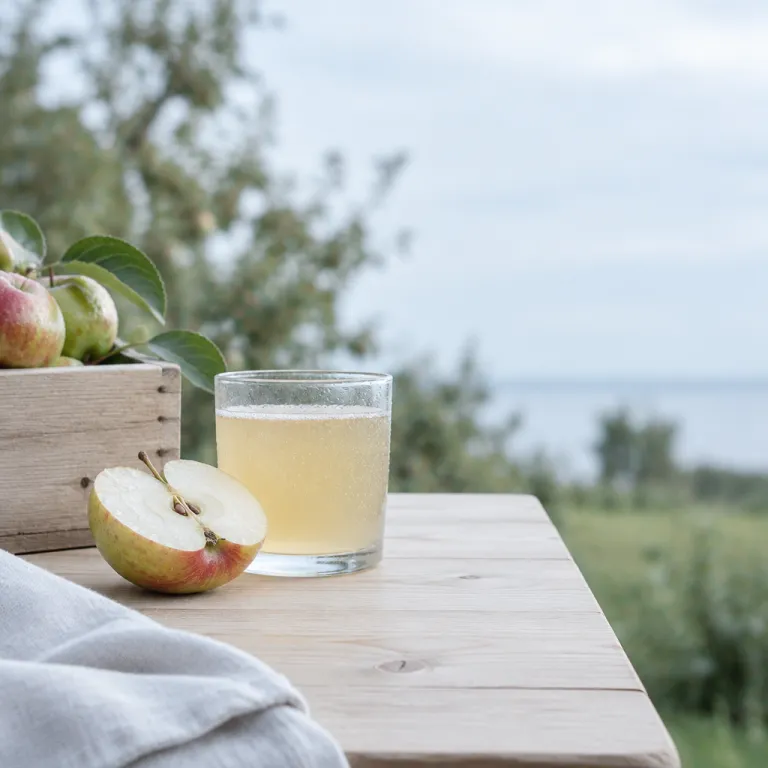
Apple season as Denmark’s quiet new luxury
In Denmark, apple season has quietly become a new kind of luxury travel. As the danish climate shifts toward cooler, longer autumns, couples increasingly plan slow weekends around orchards, cider tasting and long walks between rows of trees. For travelers searching for cider orchard hotels Denmark now means more than a search term, it signals a whole way of staying, eating and moving through the countryside.
Across the country, chefs treat the apple with the same respect once reserved only for wine grapes. You will find tasting menus in coastal restaurants including Copenhagen and Aarhus where local danish cider appears beside white wine, pet nat and even a light pinot noir, each glass chosen for its acidity and structure. The best luxury properties lean into this shift, pairing high quality rooms with access to organic farm visits, orchard tours and curated cider tasting sessions that feel as considered as any vin cellar experience.
For a premium booking platform, the rise of cider producers and orchard stays changes how we talk about place. Instead of listing only spa facilities and room sizes, we now read tasting notes, ask about cider apple varieties and check whether a bottle local to the farm is poured at breakfast. The result is a new category of rural escape, where cider orchard hotels Denmark stand alongside classic wine estates, yet remain distinctly danish in their low key elegance and connection to the land.
What an orchard and cider stay really feels like
A stay among orchards in Denmark begins with light, not with luxury branding. Mornings often start in a converted farm building, where the first thing you taste is a slice of apple still cool from the night air, followed by a glass of dry, low alcohol cider that shows how low acidity can still feel bright. Couples who book cider orchard hotels Denmark quickly realise that the real indulgence is time, not thread count.
During harvest, many properties arrange a gentle tour of the surrounding organic farm, where you walk between rows of cider apple trees and hear how the danish climate shapes sugar levels, tannins and eventual acidity. A good host will explain the making process from apple to bottle, then guide you through a structured cider tasting that borrows language from wine, with clear tasting notes about sparkling texture, full bodied structure or a red fruit character from local berries. Some places add a short vin segment, pouring a white wine or a glass of pet nat to compare how different fermentations handle low acidity and freshness.
Afternoons stretch into slow hours, perhaps in a small cider shop located in a barn, where you can shop for a bottle local to the region or read quietly while rain moves across the fields. For active couples, it is easy to pair this rural calm with an outdoor focused design hotel, using guides such as Danish hotels designed around outdoor adventures to plan kayaking, foraging or coastal walks between tastings. By evening, restaurants including those on site often build menus around local danish produce, serving pork with apple, desserts with local berries and flights of cider and wine that show just how great this modest fruit can be.
From southern isles to manor houses: where to base your stay
Denmark’s orchard belt is not a single region, but a loose constellation of islands and coastal pockets. The southern isles, including places like Fejø and nearby neighbours, are known for apple growing, yet similar landscapes appear in parts of Funen and eastern Jutland where small cider producers work quietly beside grain fields. When you search for cider orchard hotels Denmark, think less about a single famous valley and more about clusters of organic farm stays, manor houses and design led rural hotels within short drives of each other.
One smart strategy is to split your time visit between a working farm and a refined property with a serious cellar. Start with two nights on an orchard, where you can join a tour of the presses, taste different cider apple varieties and compare dry, sparkling and off dry styles with detailed tasting notes. Then move to a nearby estate hotel whose restaurants including the main dining room treat cider, white wine and even pinot noir with equal respect, often pouring bottle local options from surrounding producers.
Couples traveling with children can still keep things luxurious by choosing family friendly properties that understand both play and palate. Resources such as guides to family hotels in Denmark where luxury meets genuine child friendliness help you pair orchard days with pools, playrooms and early seating in the restaurant. In these settings, a cider shop on site or nearby becomes part of the rhythm, a place where parents can shop for high quality bottles while children sample apple juice pressed from the same trees.
How apples, cider and Danish design hotels intersect
Luxury in Denmark has always been about restraint, and cider fits that philosophy perfectly. In many design forward hotels, the most memorable moment is not the chair in the lobby but the breakfast table, where you will find a chilled carafe of organic apple juice beside a bottle local of gently sparkling cider. This quiet presence of apple and cider in everyday rituals is what turns generic countryside stays into true cider orchard hotels Denmark experiences.
High end city properties increasingly curate their drinks lists with the same care as their furniture, placing award winning danish cider next to natural wine, pet nat and classic white wine. Sommeliers talk about acidity, structure and tannin as easily for cider as for vin, explaining how the danish climate and low acidity in certain varieties create a softer, more food friendly profile. Some restaurants including those attached to hotels now offer cider pairing menus, where a full bodied, red hued bottle made with local berries might accompany game, while a dry, sparkling style cuts through rich sauces.
For couples moving between city and countryside, this creates a coherent narrative. You might start with a wellness focused stay in Copenhagen, using an urban guide to rooftop saunas and harbour swims, then drive to an orchard where the same producers on the city wine list are pressing cider apple blends behind the farmhouse. The continuity builds trust, showing that high quality is not a marketing line but a thread running from the shop located in a city neighbourhood bar to the farm gate where you can read the harvest year on the label.
Planning a harvest season escape for food curious couples
For couples planning a romantic escape, timing is everything. The best time visit for a cider focused trip usually falls around peak harvest, when trees are heavy with fruit, presses are running and the air carries a faint, fermenting sweetness. During these weeks, cider orchard hotels Denmark feel particularly alive, with guests moving between tastings, walks and long, firelit dinners.
When booking, look for properties that treat cider with the same seriousness as wine, not as a novelty. Ask whether they work directly with local danish cider producers, whether a cider shop is available on site and how often they host guided cider tasting sessions with structured tasting notes. A strong program might include side by side flights of dry and sparkling styles, comparisons between low acidity and higher acidity blends, and perhaps a pour of white wine or pinot noir to frame cider within a broader vin conversation.
Food matters just as much as the glass. The most compelling stays build menus around the farm, using local berries, orchard fruit and vegetables from the surrounding fields, then matching each plate with a bottle local to the region. Restaurants including those in small inns often offer a short tour of their cellar or shop, where you can buy high quality cider to take home, making the memory of danish apple season last well beyond the trip.
FAQ
What makes Danish cider and orchard stays different from traditional wine tourism ?
Danish cider culture is rooted in small scale orchards, cool climate fruit and a tradition of using every part of the harvest. Instead of vast vineyards, you move between compact organic farm plots where cider apple varieties are chosen for balance, low acidity and aromatic complexity. The experience feels more intimate than classic wine tourism, with cider tasting often led by the same people who picked and pressed the fruit.
How many tastings should we plan during a weekend stay ?
For a two night trip, most couples enjoy two to three structured tastings plus informal glasses with meals. One focused cider tasting at the farm, another at a nearby restaurant including a pairing menu, and perhaps a visit to a cider shop located in a village or hotel lobby bar creates a good rhythm. This leaves enough time for walks, reading and unhurried meals without turning the weekend into a checklist.
Can we combine orchard stays with spa or wellness focused hotels ?
Yes, many travelers pair a rural orchard stay with a night or two in a wellness oriented city or coastal hotel. You might spend your first nights among trees and presses, then move to a property with saunas, harbour swims or treatment rooms to close the trip gently. This combination works especially well in Denmark, where high quality food and drink are central to both countryside and urban hospitality.
Is Danish cider always dry, or are there sweeter options too ?
Danish cider spans a wide spectrum, from bone dry, Champagne like bottles to softly sweet styles that highlight ripe apple character. Producers use different cider apple varieties and fermentation choices to control residual sugar, acidity and texture. During tastings, you can usually sample several styles and read clear tasting notes that help you understand which bottles suit your palate.
Do orchard hotels cater well to guests who do not drink alcohol ?
Most orchard focused properties in Denmark understand that not every guest drinks alcohol. They often press excellent non alcoholic apple juices, sometimes from the same organic farm plots used for cider, and may offer sparkling options with a similar celebratory feel. When booking, simply mention your preferences so the host can plan tastings and menus that still showcase the apple and local danish produce without relying on alcohol.