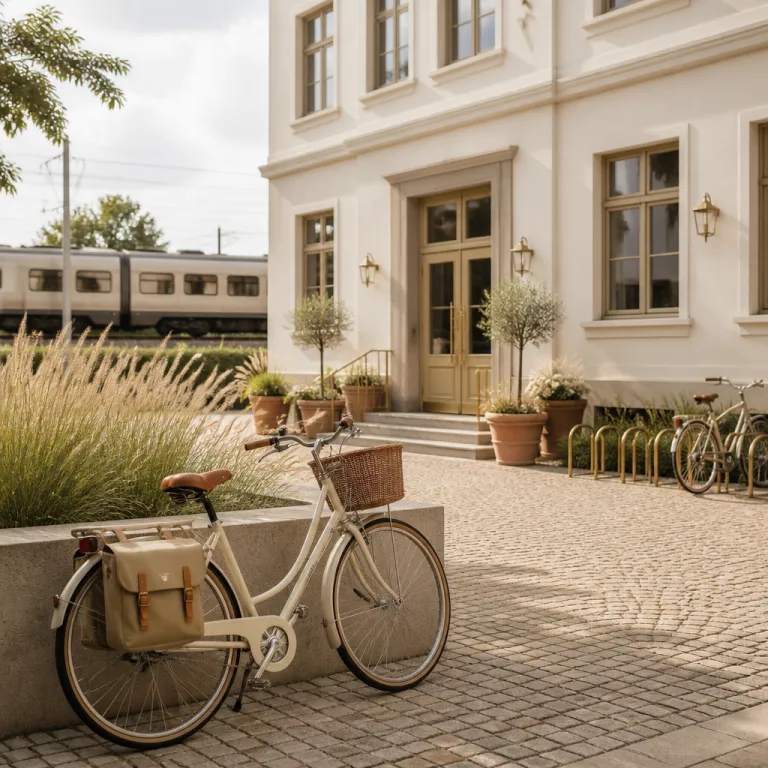
Why Denmark is built for car free luxury stays
Denmark is one of the rare places where a luxury hotel itinerary works beautifully without a car. The country’s compact geography, dense DSB rail network and bike first culture mean you can move between city and coast, museum and marshland, day and night, with almost no friction. For a solo traveler or couple who would rather read a book on the train than navigate rental paperwork, this is a country that quietly rewards slowness.
Think of the national rail system as your private driver, linking Copenhagen, Vejle, Skagen and the smaller towns of Jutland with a predictable rhythm that makes planning easy. Many of the best hotels sit within a short walk, bike ride or quick taxi from the station, so your stay feels seamless from the moment you step onto the platform in each city. This is where car free hotels in Denmark stop being a sustainability gesture and become a design choice for how you want your day to unfold.
In Copenhagen, a premium hotel near the central station places you between Tivoli Gardens, the historic park, and the inner city’s canals, while still keeping the airport just a short train hop away. On Jutland’s east coast, staying in Vejle without a car lets you focus on the fjord views, the beautiful forested hills and the contemporary Danish architecture rather than parking logistics. Across Denmark, book hotels that treat the station as a front door, and you will feel the difference in how lightly you move.
Choosing the right hotel when the station is your anchor
When you travel car free, the first filter for hotels in Denmark is not the spa menu, but the walk from the platform. Look for a hotel within 500 to 800 metres of the station in each city or town, close enough to roll a suitcase yet far enough to escape the busiest streets by day and night. In Copenhagen, that might mean a design forward property tucked on a small side street near Tivoli Gardens, while in Vejle it could be a waterfront stay that turns the short stroll from the train into part of the arrival ritual.
Once distance is solved, pay attention to how the hotel supports a car free stay through details, not slogans. Ask whether they offer quality bikes, luggage storage for side trips, early breakfast for morning trains and late check out for afternoon departures, because these services matter more when the timetable shapes your day. In many Danish hotels, staff are used to guests arriving by rail, so they can suggest the most beautiful walking route from station to lobby, or the quietest park nearby for a first breath of the city.
For countryside properties, especially historic manors and estates in Jutland or on Zealand, check the last mile carefully before you book. Some of the most atmospheric places sit a short taxi ride from a regional station, which still fits the spirit of car free hotels in Denmark if that ride is brief and predictable. Our guide to the Danish estate revival and countryside manors shows how these small estates are rethinking access, often coordinating with local drivers so your stay begins smoothly.
City to coast without a car: pairing Copenhagen with rail reachable seaside stays
A classic car free itinerary in Denmark pairs a few nights in Copenhagen with a coastal stay reached entirely by train and bike. Start with a central hotel in the capital, close to the station, where you can walk to the National Museum, the harbour baths and the inner city’s most beautiful streets before returning for a late breakfast the next morning. From there, the rail lines radiate out like quiet promises, carrying you to Skagen at the tip of Jutland, to Vejle on its fjord or to smaller seaside towns where the rhythm of the day slows.
Skagen is a strong choice if you want a sense of edge of the world drama without renting a car. Trains run up the spine of Jutland, and the final stretch to this small town is a gentle ride through dunes and heathland that sets the mood before you even reach your hotel. Once there, you can walk or cycle between the harbour, the art museum and the meeting of the seas, returning to your room in the evening with sand still on your shoes.
Families often worry that car free travel will limit them, yet Denmark quietly disproves this. From Copenhagen, direct trains to Billund connect you with Legoland Billund and the surrounding family focused hotels, many of which run shuttles or sit on local bus routes that make a car feel unnecessary. Our guide to family hotels in Denmark shows how high end properties now blend play, comfort and easy access, so a parent can move between park, pool and room with minimal effort.
Hidden gems for car free travelers: Jutland towns, parks and island ferries
Beyond the capital, the real test of car free hotels in Denmark is how well they connect you to quieter places. Jutland in particular rewards travelers who are willing to read the rail map closely, then pair regional trains with short taxi rides or local buses to reach small towns and coastal parks. Vejle, Aarhus and Aalborg work as hubs, each with its own museum scene, harbourfront and network of nearby nature that you can reach in under an hour.
From Vejle, for example, you can stay in a waterfront hotel that treats the fjord as its front garden, then use local buses or bikes to reach forest trails and sculpture parks. The beautiful thing about this part of Denmark is the way a single day can hold city culture, quiet woodland and a long dinner back at your hotel without ever touching a steering wheel. If you are planning to book several hotels in one trip, think of these Jutland towns as stepping stones, each offering a different balance of design, nature and Danish everyday life.
Island stays require a little more choreography but remain entirely feasible without a car. Ferries from Zealand and Jutland connect to islands where small hotels sit within walking distance of the harbour, and luggage trolleys or local taxis bridge the final metres when needed. For deeper context on how rural estates and island manors are evolving, our piece on the Danish countryside hotel revival explains why these properties increasingly design their stay around guests arriving by train and boat.
Practicalities: bikes on trains, luggage, and who car free Denmark suits
Traveling between car free hotels in Denmark works best when you treat the train as an extension of your room. DSB allows bikes on many services with a separate ticket, so you can roll your own wheels between Copenhagen, Vejle, Skagen and the smaller Jutland towns, then ride from station to hotel in a few minutes. If you prefer to travel lighter, many Danish hotels offer quality city bikes or e bikes, which turns the short distance to a museum, park or harbour into a pleasant part of the day.
Luggage is rarely a problem if you pack with rail in mind and choose hotels within easy reach of the station. Aim for one main suitcase and a smaller day bag, so you can step off the train, cross the city on foot and still arrive at the front desk looking composed for check in. Breakfast times matter more when you are tied to a timetable, so confirm early or flexible breakfast options before you book, especially if you plan long day trips to Tivoli Gardens, Legoland Billund or other major attractions.
This style of travel suits independent solo travelers and couples who value rhythm over rush. You trade the freedom of a car for the freedom to read, sleep or simply watch the landscape slide by, then arrive in each town ready to walk straight into your stay. For many guests, the most beautiful luxury is not the size of the room, but the feeling that the entire journey through Denmark has been quietly, elegantly low stress.
How to plan and book a seamless car free Denmark itinerary
Planning a chain of car free hotels in Denmark starts with the rail timetable, not the rental desk. Sketch a simple loop that links Copenhagen with one Jutland hub such as Vejle, one coastal town such as Skagen and, if time allows, a smaller inland city with a strong museum or food scene. Once that spine is set, you can layer in day trips to Tivoli Gardens, Legoland Billund or regional parks, always returning to the same hotel or moving on to the next stay by train.
When you book, look for clear information on walking distance from the station, bike availability and any partnerships with local taxis or ferries. Many Danish hotels now highlight their car free credentials, but the most reliable signs are practical details such as luggage storage for early arrivals, flexible breakfast and late checkout for afternoon trains. Reading recent guest reviews with an eye for how people actually arrived can be more useful than any marketing line, especially if you are planning to move between several hotels in a single trip.
For travelers who care about sustainability, this way of moving through Denmark aligns naturally with low carbon values without feeling like a sacrifice. You still enjoy generous rooms, thoughtful Danish design and long summer evenings in the park or by the harbour, yet your footprint between cities stays remarkably light. Over time, as more guests choose to book this way, car free hotels in Denmark will continue to refine the experience, making it easier for the next traveler to step off the train and feel instantly at home.
FAQ
Can I visit Denmark’s main highlights without renting a car ?
Yes, you can comfortably visit Copenhagen, Aarhus, Odense, Aalborg, Vejle, Skagen and many smaller towns using only trains, buses, bikes and short taxis. Major attractions such as Tivoli Gardens, central museums and Legoland Billund are all reachable by public transport from nearby cities. Choosing hotels near stations makes the entire route feel coherent and efficient.
Are Danish trains and stations friendly for travelers with luggage ?
Danish intercity and regional trains are designed with luggage racks and open spaces that handle suitcases well. Most central stations have lifts or ramps, and platforms are generally level with train doors, which reduces heavy lifting. If you keep to one main suitcase and a day bag, walking from station to hotel is usually straightforward.
Is it easy to bring or rent a bike when staying car free ?
On many DSB services you can bring a bike with a separate ticket, though space can be limited at peak times. In cities such as Copenhagen and Vejle, as well as in many Jutland towns, hotels often provide quality bikes or partner with nearby rental shops. This makes it simple to cover the short distance between station, park, museum and waterfront without needing a car.
How far from the station should I book my hotel ?
For a car free trip, aim for hotels within 500 to 800 metres of the station whenever possible. That distance keeps the walk manageable with luggage while still allowing you to escape the busiest streets around the tracks. In rural areas or on islands, a short pre booked taxi from the station or ferry terminal can still fit a car free philosophy.
Does car free travel in Denmark suit families with children ?
Families can travel comfortably without a car, especially when focusing on a few hubs such as Copenhagen and Billund. Many family oriented hotels near Legoland Billund and other parks offer shuttles or sit on reliable bus routes, so moving between room, park and town stays simple. Planning extra time for connections and choosing properties with generous breakfast and play spaces helps keep the day relaxed for both adults and children.