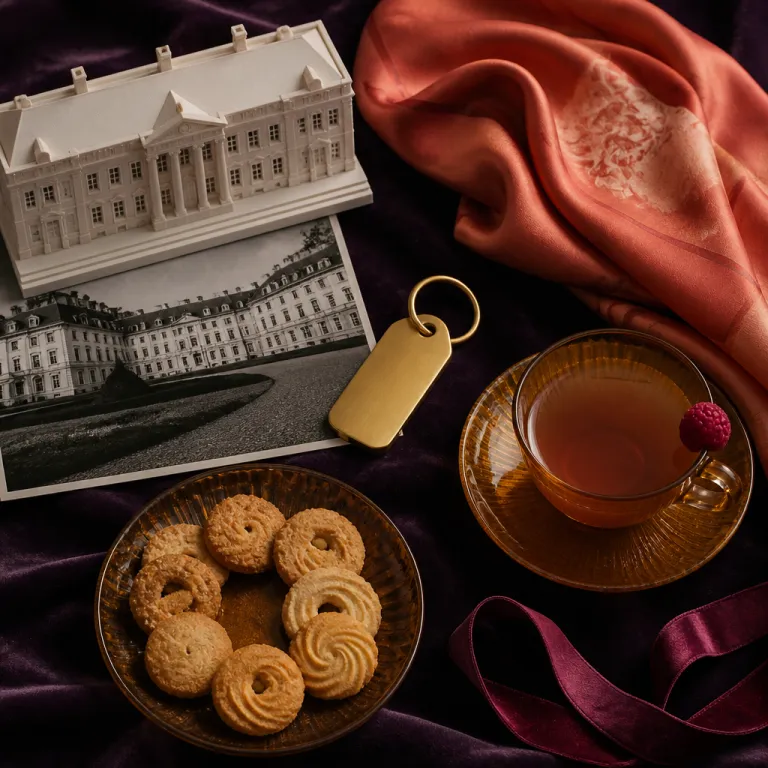
What makes a grand heritage hotel in Denmark today
A true grand heritage hotel in Denmark starts with continuity of service and a staff that treats returning guests as part of the property’s living history. In the context of historic luxury hotels Denmark travelers quickly sense that the experience is defined less by the latest design trend and more by how the hotel building, its historical details and its rituals have been preserved over time. When you book these historic hotels in Denmark you are choosing a specific kind of city and seaside rhythm rather than chasing the newest opening.
Across Copenhagen and the wider country, a grand historic hotel is usually located in a landmark building with a clear story, often from the early century when rail travel and grand dining rooms shaped urban life. These historical hotels tend to sit in the heart Copenhagen or in prime coastal positions, where the view and the approach still feel ceremonial for guests arriving for a romantic weekend. The best historic hotels balance this sense of occasion with discreet technology and a good level of comfort so that couples can enjoy long mornings, late check outs and a price to quality ratio that feels fair for a star hotel in a capital city.
What separates these addresses from newer design focused hotels Copenhagen is the way they frame time ; you feel the weight of history in the staircases, the bath house tiles, the morning city light on old stone. In many of these historic hotels Copenhagen travelers will find formal dining rooms, polished bars and lounges where a good morning coffee is served on heavy china rather than in paper cups. For couples planning anniversaries or first time visits to Copenhagen Denmark, this kind of historic hotel experience often becomes the reference point against which all later city stays are quietly measured.
Copenhagen’s grande dames around Tivoli and the central station
The most concentrated cluster of grand heritage hotels in Copenhagen Denmark sits around Tivoli Gardens and the central station, an area that has defined the postcard view of the city for generations. Here, the historic hotels line up along Vesterbrogade and Bernstorffsgade, each hotel Copenhagen property offering a slightly different balance between nostalgia, service formality and contemporary Danish design. Couples choosing between these hotels should look closely at reviews that mention noise levels, room size and how the staff handle special occasions, because the experience can vary significantly from one historic hotel to another.
Villa Copenhagen, located in the former Central Post Building next to the station, is a good example of how a historic building can be reimagined without losing its sense of grandeur. The hotel’s public spaces keep the early century postal architecture intact while adding a rooftop pool and bar that appeal to travelers who care about elevated elegance and panoramic city views, making it a natural counterpart to the properties featured in this guide to luxury hotels in Denmark with rooftop bars and skyline panoramas. From many rooms the view takes in the tracks, the city Copenhagen skyline and the edge of Tivoli Gardens, which can be magical on winter evenings when couples return from dinner to see the lights from their window.
Across the street, Nimb Hotel sits directly inside Tivoli Gardens, offering one of the most theatrical historic luxury hotels Denmark experiences in the country. This historic hotel is located in a Moorish inspired building with a facade that has become part of the city’s visual identity, and many guests choose it specifically for the view over the gardens and the sense of being inside the amusement park after hours. For travelers who prefer a slightly quieter atmosphere but still want to stay in the heart Copenhagen area near Tivoli, several other historical hotels and star hotel options line the surrounding streets, each with its own balance of price, formality and design.
Ascot Hotel, Copenhagen Star and the quiet rituals of station district classics
Move a few streets away from Tivoli Gardens and the central station and you enter the world of slightly less showy but still deeply historic hotels Copenhagen travelers have relied on for decades. Ascot Hotel is one of the most emblematic names here, a historic hotel Copenhagen address located in a former bath house building just behind the City Hall Square. The property’s thick walls, high ceilings and preserved details from its bath house history give guests a tangible sense of the early century city, even as rooms and public spaces have been updated for contemporary comfort.
Couples who choose Ascot Hotel often mention in reviews that the location in the heart Copenhagen area allows them to walk almost everywhere, from the Latin Quarter to the waterfront, while still returning to a quiet base. The price point typically sits below the most theatrical palace style properties, which makes this hotel a good option for travelers who want a historic luxury hotels Denmark experience without committing to the very top historic tier. When you wake up here on a winter weekend, the good morning ritual might be a long breakfast in the former bath house hall before you explore the morning city streets and the nearby museums.
Close by, Copenhagen Star Hotel offers another take on the classic station district stay, with a focus on practicality and proximity rather than ornate architecture. While it is not a palace in the traditional sense, many guests use this star hotel as a base to explore the wider city Copenhagen area and then pair it with a night or two at a more overtly historic hotel elsewhere in Denmark. For couples planning a longer itinerary that includes castle stays and coastal properties, it can be smart to combine a night at Ascot or Copenhagen Star with a stay at one of the grand estates featured in this in depth look at the Denmark castle hotels booking experience, which helps balance budget, romance and variety.
From palace hotels to Badehotels: coastal heritage beyond Copenhagen
Historic luxury hotels Denmark are not limited to the capital ; along the coasts, the country’s Badehotel tradition offers a different expression of heritage hospitality. These seaside hotels are usually located in white painted buildings facing the water, with long verandas, striped deckchairs and a slower rhythm that suits couples who want to disconnect from the city. While they may not always carry an official star hotel classification, the experience can feel just as indulgent as a palace stay in city Copenhagen, especially when you factor in the sea air, the quiet and the long walks on the beach.
In North Jutland, for example, several historic hotels sit on dunes or cliffs with uninterrupted view lines over the North Sea, giving guests a sense of space that is hard to replicate in Copenhagen Denmark. Here, the history is often tied to artists, writers and summer visitors from the early century, and many historical hotels still display old photographs and paintings that tell these stories. Couples who split their time between a grand hotel in the heart Copenhagen area and a coastal property in North Jutland often describe the contrast in reviews as one of the most rewarding aspects of their Denmark itinerary.
These coastal historic hotels tend to emphasise ritual over spectacle ; think set dinner times, afternoon coffee and cake, and quiet lounges where the main entertainment is the changing light outside. The price level can be more approachable than the very top historic palace addresses in the city, which makes them a good choice for longer stays or for travelers who value time and space over urban buzz. When planning, it is worth checking whether the hotel building operates year round, as some North Jutland Badehotels close outside the main season, which affects availability for romantic winter escapes.
How grand heritage hotels differ from new wave design addresses
For travelers used to Denmark’s new wave of design focused hotels, stepping into a grand heritage hotel can feel like entering a parallel version of the same city. In many of these historic hotels Copenhagen couples will notice fewer statement chairs and more emphasis on textiles, tableware and the choreography of service, which shapes the overall experience in a subtler way. The building itself often becomes the main design object, with original staircases, mouldings and historical details taking precedence over contemporary art installations.
Where a newer hotel Copenhagen property might prioritise co working spaces and casual lobbies, a grand historic hotel usually centres on a formal lobby, a bar and one or more dining rooms where a sense of occasion is part of the appeal. This does not mean these hotels ignore modern expectations ; Wi Fi, good bedding and thoughtful lighting are now standard, and many have invested heavily in bathrooms to match the expectations of guests used to spa level comfort. The difference lies in how these elements are integrated into the historical hotels fabric so that the early century character of the building remains the star.
For couples who care about art and culture, it can be interesting to alternate between a palace style stay and one of the more contemporary properties highlighted in this guide to art forward Copenhagen hotels. Doing so allows you to explore both the historic luxury hotels Denmark tradition and the newer generation of hotels Copenhagen that treat the city as a living gallery. Over the course of a week, this mix can give you a layered view of Copenhagen Denmark, from the marble staircases of a historic hotel to the concrete and glass of a design led property.
When a grand old hotel is the right choice for your trip
Not every trip calls for a palace, but certain occasions almost demand a grand heritage setting. Anniversaries, milestone birthdays and first time visits to Copenhagen Denmark are moments when the extra formality, the lobby flowers and the sense of history in the building can elevate the experience beyond a standard city break. Couples often report in reviews that staying in one of the top historic hotels changed how they remember the entire trip, because the hotel itself became part of the story rather than just a place to sleep.
Cold weather city stays are another scenario where historic luxury hotels Denmark come into their own, especially those located close to Tivoli Gardens, the museums and the main shopping streets. When the wind picks up along the harbour, it is a particular pleasure to retreat to a lobby bar with deep armchairs, order a drink and watch the evening unfold through large windows with a view of the city Copenhagen lights. In these moments, the price premium over more minimal hotels Copenhagen options can feel justified, because you are using the hotel as a living room rather than just a bedroom.
For couples who value ritual over trend, the daily rhythm of a grand hotel can be as important as the room itself. A slow good morning breakfast, a walk through the morning city streets, an afternoon pause in the lounge and a late return through a softly lit lobby all contribute to a sense of being held by the place. When you choose carefully among historic hotels and match the property to your own travel style, the hotel Copenhagen address on your luggage tag becomes a quiet badge of belonging rather than just a line on an invoice.
How to read reviews and choose between Denmark’s grand addresses
Selecting between historic luxury hotels Denmark requires more than scanning star ratings and headline photos. Focus on reviews that mention service consistency, noise levels, bathroom quality and how staff handle special requests, because these details shape the real experience for guests. Pay attention to whether couples felt the price matched the level of comfort and history offered, especially in the most central city Copenhagen locations where demand is high.
When comparing options like Villa Copenhagen, Nimb Hotel, Ascot Hotel and other historic hotels Copenhagen travelers often consider, map each property against your priorities. If you want direct access to Tivoli Gardens and a theatrical setting, a hotel located on the park’s edge may be worth the premium, while those who prefer a quieter base might lean toward a star hotel slightly removed from the busiest streets. For itineraries that include both Copenhagen Denmark and coastal or North Jutland stays, it can be smart to allocate more budget to the city nights, where the building’s history and the density of experiences outside the door amplify the value of a grand address.
Finally, remember that even within the same historic hotel category, room types and wings can vary significantly in character. Older parts of a building may offer more historical charm but less space, while newer annexes can provide better sound insulation and a more contemporary view over the city or courtyard. When you book, use the hotel’s own descriptions and guest photos to cross check the official images, and do not hesitate to email the property with specific questions about room layout, location within the building and any remaining traces of its early century history that might matter to you.
Key figures on Denmark’s grand heritage hotel scene
- According to VisitDenmark, Copenhagen accounts for a significant share of Denmark’s total hotel overnight stays, with the capital region recording several million guest nights annually, which underlines why so many historic hotels are concentrated in the city centre.
- Data from Statistics Denmark shows that international guests represent a substantial portion of hotel overnights in the country, with couples from neighbouring European countries and North America forming a key segment for higher end and historic properties.
- Industry reports from the Danish Hotel and Restaurant Association indicate that average daily rates in Copenhagen’s central districts are consistently higher than in regional cities, reflecting both demand and the premium attached to staying in landmark historic buildings.
- Surveys of international visitors conducted by VisitDenmark highlight that culture and history rank among the top reasons for choosing Denmark as a destination, which directly supports the continued relevance of historic luxury hotels Denmark travelers seek out.
FAQ about grand heritage hotels in Denmark
Are historic luxury hotels in Denmark worth the higher price for couples
For couples marking a special occasion, the higher price of historic luxury hotels Denmark properties is often justified by the combination of location, service and atmosphere. You are paying not only for a room but for access to a building with history, formal public spaces and a level of service that supports slow mornings and late evenings. If your trip is more functional than celebratory, a well run contemporary hotel Copenhagen option may offer better value.
Which areas of Copenhagen are best for historic hotel stays
The highest concentration of historic hotels Copenhagen visitors look for is around Tivoli Gardens, the central station and the City Hall Square, where many landmark buildings were constructed in the early century. Staying here places you in the heart Copenhagen area, within walking distance of major sights, restaurants and shopping streets. For a quieter feel, some couples prefer historic hotel options in neighbourhoods like Frederiksberg or Østerbro, which offer more residential surroundings.
How far in advance should I book a grand hotel in Copenhagen
For peak periods such as major holidays, school breaks and large events, it is wise to book historic hotels in Copenhagen Denmark several months in advance. Palace style properties and top historic addresses near Tivoli Gardens and the waterfront can sell out quickly, especially for weekends. Outside these periods, you may find more flexible availability, but couples with specific room preferences should still book early.
Can I combine a Copenhagen palace stay with a coastal heritage hotel
Combining a few nights in a grand hotel Copenhagen property with a stay at a coastal Badehotel in North Jutland or along the Zealand coast is one of the most rewarding ways to experience Denmark. The contrast between the dense urban history of the city and the open seascapes of the coast gives your trip a natural rhythm. Many couples choose to start in the city Copenhagen area for museums and dining, then move to the seaside for slower days and long walks.
What should I look for in reviews of historic hotels in Denmark
When reading reviews of historic luxury hotels Denmark travelers should focus on comments about service, room maintenance, bathroom quality and how well the hotel has integrated modern comforts into an older building. Pay attention to whether guests mention noise, temperature control and the condition of common areas, as these can be weak points in some historical hotels. It is also useful to note how staff respond to feedback, because a proactive attitude often signals a well managed property.